Get Full Government Meeting Transcripts, Videos, & Alerts Forever!
Get email alerts on the Revolving Fund topic
No spam. Unsubscribe anytime.
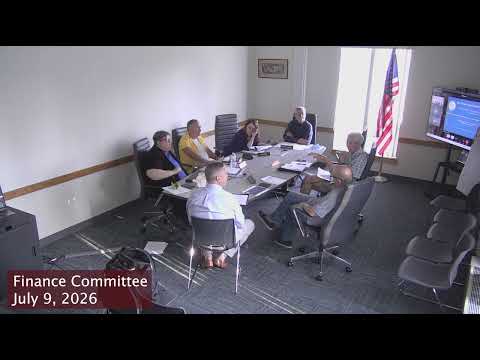
Harwich finance committee reviews 204 Sisson Road revolving fund; staff say licenses comply with state guidance
Summary
Town staff told the Finance Committee the agreements at 204 Sisson Road are structured as short‑term licenses that the town and the Attorney General have previously approved, and described the RFP, three‑year license terms, and rate‑setting approach as the town moves to greater transparency and budget alignment.
Jennifer Mintz, Harwich’s town finance director, presented a review of the 204 Sisson Road revolving fund and the town’s approach to licensing artist studios, and answered questions from the Finance Committee on legal and financial details.
The committee’s chair, Bob McCready, opened the item by asking members who had watched the earlier select board presentation to avoid repeating material and to focus the meeting on questions and clarifications. Jennifer Mintz put the report on the screen and said staff were prepared to provide additional information the committee requested.
Town Administrator Jay McCrail explained the legal framing at length, telling the committee that the town treats the agreements as license (not lease) arrangements under revolving‑fund guidance: “revolving funds are set up under 53E½ … license agreements … are technically the term for what we have,” and that Town Counsel and the Attorney General had previously reviewed the approach. He added that the Attorney General has “twice ruled that they’re … correct” in prior reviews.
Committee members pressed staff on operational details: the licenses run three years and are renewed through a public RFP process that assesses minimum and comparative criteria, Jay McCrail said. He described a scoring matrix that prioritizes defined creativity, program offerings for the public and calendar availability. He emphasized that incumbent license holders are not guaranteed renewal and that the town removed and replaced some holders in the most recent cycle when proposals failed to meet the RFP criteria.
On finances, staff said the town expects a small net positive for fiscal 2028 under a full conversion to the new model and pointed to new license language that allows rate adjustments mid‑term. Jennifer Mintz cautioned the committee that the estimate in the meeting record was preliminary and described it as a working forecast. “We can continue to look, but, you know, today, I think we’re okay,” Jay McCrail said.
Members discussed options should the revolving fund post a surplus — options include reducing license rates, reallocating funds, or returning excess to the general fund — and agreed the treatment will be considered in the FY28 budget build. The committee also questioned which staff costs the fund would bear; staff said the director’s salary is proposed to be split (50/50 general fund/revolving fund) while program specialists would be charged 100% to the program and a part‑time custodial position would be covered from the revolving fund when filled.
The presentation closed with staff encouraging members to review the RFP matrix and to visit the facility; Jennifer Mintz offered to provide additional detail on outstanding projects and funded work that were not included in the packet.
The meeting record shows the committee did not take a formal vote on changes to the revolving fund policy at this session; instead, members asked staff to refine the numbers and bring allocation recommendations into the FY28 budget process.