Get Full Government Meeting Transcripts, Videos, & Alerts Forever!
Get email alerts on the Historic Preservation topic
No spam. Unsubscribe anytime.
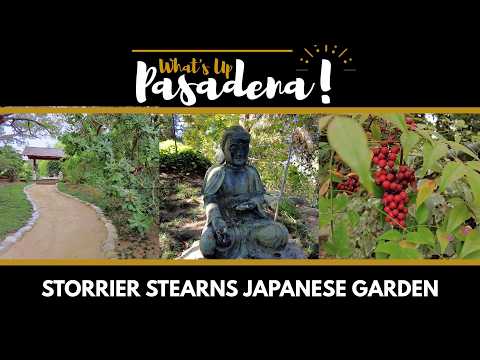
Storia Stern Japanese Garden in Pasadena highlights history, programming and visits
Summary
The Storia Stern Japanese Garden in Pasadena—commissioned in the 1920s and completed in 1940—was described as a community sanctuary during an audio presentation that covered its designer, wartime internment, park programming and visitor hours.
The Storia Stern Japanese Garden in Pasadena is presented as a community sanctuary that encourages mindful walking and sensory engagement, and the site’s caretakers are planning seasonal tea ceremony demonstrations and public visiting hours. Presenter said the garden “forces you to slow down and just be in a beautiful, natural, artistically designed space,” and described design features such as stepping stones and a zig‑zag bridge intended to shape visitor movement.
The garden was identified by the presenter as having been commissioned by Charles and Ella Mae Storia Stern in the 1920s and completed in 1940 by Japanese American landscape architect Kinzuchi Fuji. The presenter said Fuji finished the garden in 1940 and “he was sent to an internment camp,” a wartime event noted in the recording. The presenter also said the Stern estate was later offered at auction by the city of Pasadena after the couple died without children.
A resident who spoke during the recording recounted a family anecdote that her mother purchased items from the estate at the 1950 auction and later discovered the tea house while inspecting the backyard. The resident also stated that ritual gardens like this “are none left in Japan” and said two colleges in Hiroshima have asked to send master’s students to study the garden’s sensory and design qualities; those claims are reported here as made in the presentation and are not independently verified in the transcript.
The presenter said the garden hosts occasional weddings, which limits programming, but that staff plan seasonal tea ceremony demonstrations in the tea house. Visitor information given in the recording lists regular open hours as Sundays 10 a.m. to 4 p.m., with additional Friday and Saturday evening openings during summer months. The presenter pointed listeners to pasadenajapanesegarden.com for full visiting details.
Taken together, the remarks frame the Storia Stern Japanese Garden as both a historic site and an active cultural program in Pasadena, emphasizing sensory experience, preservation and limited public programming. The recording does not include formal actions, votes or official policy decisions; it is an informational presentation about the garden’s history and visitor offerings.