Get Full Government Meeting Transcripts, Videos, & Alerts Forever!
Get email alerts on the Municipal Budget topic
No spam. Unsubscribe anytime.
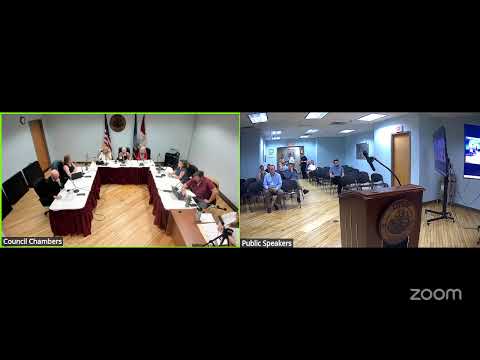
Troy City Council adopts budget amendments and updates code for shared‑use paths; debates parcel auction process
Summary
The council unanimously approved multiple 2026 budget amendments and code updates July 9, including a $100,000 appropriation to the waterfront fund from assigned fund balance, changes allowing alternative materials for shared‑use paths, and authorization to sell city parcels by auction amid questions about whether the property review committee met.
Troy — The Troy City Council on July 9 adopted a package of ordinances amending the 2026 budgets and updating city code, approving changes that city officials say will help complete waterfront work, modernize sidewalk and shared‑use path standards and clear the way for auction sales of surplus city parcels.
Council members unanimously adopted Ordinance 16, which amends the general and waterfront budgets and includes a new $100,000 appropriation to the water fund. A staff member explained the amount “is coming from appropriated fund balance,” and said the line reflects recently billed revenue that could be earmarked to specific revenue lines before the regular meeting. Council requested a follow‑up email identifying the precise source of the $100,000.
The council also passed companion ordinances (17 and 18) that amend Chapter 141 and Chapter 251 of the Troy City Code to allow alternative materials for shared‑use paths and to standardize definitions for multiuse paths and sidewalks across the code. “This is just very smart policy,” one public commenter said in support, thanking council members and advocates who helped shape the changes.
Ordinance 29, authorizing sales of certain city‑owned parcels by auction, drew extended discussion about whether the property review committee met to review parcels before they were listed. A council member who said they sit on that committee reported they were not aware of a meeting; an administration official replied that the city code separates the committee’s role in determining if a parcel should be sold from the method of sale and suggested that the code be clarified to reflect recent state law changes requiring auctions to obtain the highest price.
All ordinances on the agenda were adopted without recorded dissent; the clerk recorded multiple unanimous 7‑0 votes.
What happens next: Council asked administration to provide the requested budget detail on the waterfront fund and to clarify the property review committee’s role and meeting history so the code can be updated if needed.