Get Full Government Meeting Transcripts, Videos, & Alerts Forever!
Get email alerts on the Animal Control topic
No spam. Unsubscribe anytime.
La Verne council defers domestic-fowl ordinance after residents object to proposed permit fee
Summary
Residents urged the Board of Mayor and Aldermen to enforce existing animal-control rules rather than impose a new permit fee for backyard chickens; the council voted to send the proposed ordinance back to the planning commission for clarification.
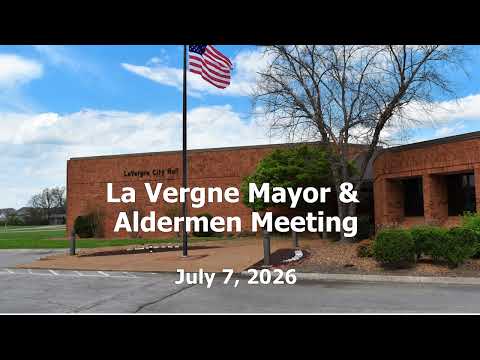
The La Verne Board of Mayor and Aldermen on July 7 deferred consideration of an ordinance that would regulate the keeping of domestic fowl and add a new permit fee, after residents and some aldermen raised concerns about fairness and unclear language.
Several residents spoke during public comment opposing a permit fee and urging equal enforcement of current animal-control rules. Ross Howard, a La Verne resident who identified himself as a chicken owner, asked the board to "clearly explain the need for a special fee or permit for chickens" and said he had lost two or three birds to at-large dogs and cats. Jamie Knight, who also described herself as a chicken owner, said she wanted "equal treatment to every other pet owner in La Verne" and questioned whether the city would require permits and inspections for other pets.
Council discussion focused on ambiguous language in the draft ordinance, including references to slaughtering and whether rules would apply citywide or only in particular neighborhoods. An alderman said the text needed revisions and that she did not support the permit fee as written. Rather than vote on adoption, the council voted to defer the ordinance to the planning commission for further drafting and clarification.
Why it matters: the proposed ordinance would create a new regulatory framework and a city permit fee for backyard fowl; residents argued the measure could single out chicken owners while existing animal-control problems—loose dogs and stray cats—remain unaddressed. Sending the ordinance back to planning gives staff and commissioners a chance to clarify scope (for example, slaughtering language and whether the rules apply citywide) and to justify any new fees.
What happens next: the ordinance will return to the planning commission for revisions; the council did not adopt the fee or new chapter at this meeting. The deferral means no new permit or fee will take effect until the council receives and votes on a revised draft.