Get Full Government Meeting Transcripts, Videos, & Alerts Forever!
Get email alerts on the Taxes topic
No spam. Unsubscribe anytime.
Smith County board approves $300 personal-property credit for volunteer firefighters and EMS; tax date changes deferred to 2027
Summary
After a public hearing July 9, the Smith County Board of Supervisors approved a personal‑property exemption/credit intended for volunteer firefighters and EMS members and agreed to delay any change to property‑tax due dates until further review with an effective target of tax year 2027.
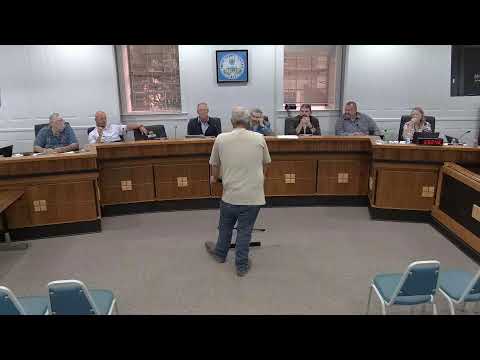
The Smith County Board of Supervisors on July 9 approved a measure creating a personal‑property exemption intended to help volunteer firefighters and emergency medical services (EMS) members offset growing operational costs, and agreed not to implement changes to real‑estate and personal‑property tax due dates until the 2027 tax year to allow more review.
The exemption adopted by the board offers a modest credit on one vehicle (the draft ordinance referenced a $300 maximum offset) for qualifying volunteer personnel who meet certification and participation requirements. Bradley Powers, a county official who testified at the hearing, told the board the change aims to support volunteer recruitment and retention as costs rise: “This discount on personal property… is a discount to help offset what those costs may be to the county if those departments were to have to go paid,” he said.
The proposed ordinance package included two distinct items: (1) a proposal to split real‑estate taxes into two payments (50% due June 5 and 50% due Dec. 5) and to move the personal‑property due date to Oct. 5, and (2) a proposed exemption for certain personal property owned by volunteer firefighters and EMS members (chapter 23, finance and taxation, article 17). County staff read the formal public‑hearing notice and several written public comments into the record from residents who raised concerns about fairness, extra mailing costs and whether other volunteers should receive similar treatment.
Opponents who submitted written comments warned that twice‑yearly billing could increase administrative expense (one comment estimated an additional mailing cost) and argued exemptions should not single out one volunteer class. Supporters, including local volunteers and board members, said a targeted credit is a cost‑effective way to acknowledge training requirements and service that otherwise would fall to paid providers.
Board members debated whether to waive bylaws to vote on the measures that night. The board ultimately approved the volunteer personal‑property exemption after motions and a roll call; the chair reported the approval with an abstention noted. The board directed staff to make the exemption effective for tax year 2027 to allow the assessor and treasurer time to implement the new process. The larger change to property tax due dates will be discussed further and was not finalized at the meeting.
A staff representative reading the ordinance materials told residents where to view full proposals and how to submit written comments prior to the scheduled hearing. The record includes multiple written emails and faxes that recommend adjustments (for example, alternate due dates or broader exemptions) or oppose the changes entirely.
Next steps: the board asked staff to refine administrative timing and expected to return with options and cost estimates; any change to billing cadence will require final ordinance adoption and coordination with the treasurer and assessor’s offices.
Authorities referenced: chapter 23, finance and taxation, article 3 (property tax collection dates) and article 17 (exemption of certain personal property).