Get Full Government Meeting Transcripts, Videos, & Alerts Forever!
Get email alerts on the 8 30g Certificate topic
No spam. Unsubscribe anytime.
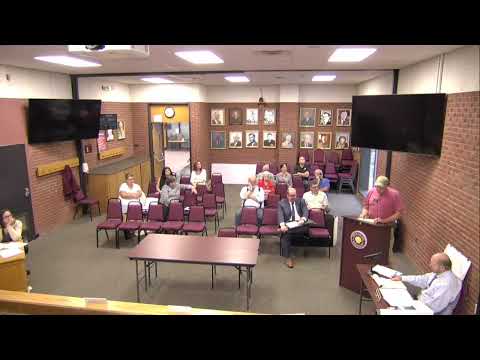
East Lyme holds public hearing on 8-30g certificate as residents urge pause on large projects
Summary
The East Lyme Zoning Commission opened a public hearing on the town—s application for a 4-year exception under Conn. Gen. Stat. —8-30g. Residents urged slowing development and a moratorium to study infrastructure impacts; the hearing closed after multiple public comments and the commission recorded the public record for the town—s state application.
The East Lyme Zoning Commission on July 9 held a public hearing on the town—s application to the state for a certificate of affordable housing completion under Conn. Gen. Stat. 8-30g, a four-year exception that would make affordable-housing appeals subject to the same local zoning rules as other applications.
Town attorney Tim Belisa explained that the certificate does not ban affordable housing but instead seeks to remove the special appeals procedure that otherwise treats qualified affordable-housing applications differently in superior court; he said the commission—s role was to collect public comment and create the record that will be included in the town—s application to the state and reviewed by the first selectman and staff.
Public commenters who spoke during the hearing urged a pause on certain large projects and stronger local review. Mark Christensen of Grassy Hill argued that some 8-30g proposals could overload water, sewer and narrow roads and cited a large multifamily proposal (named in the record as Aswaugotchi Hills) as a potential safety concern. Jan Grosskopf, who said she is a researcher, urged the town to use peer-reviewed land-use studies to identify a "tipping point" for infrastructure impacts and offered to help find grant funding for such work. Murray Runshaw and Glenn Werbicki said they supported slowing development to reassess community impacts; Lee Elsey asked how continued building improves residents— daily quality of life.
The hearing was conducted as a listening session, the attorney said, and the commission did not take votes at the meeting; a motion to close the public hearing was made, seconded and approved by voice vote. Town staff and the first selectman will review the record and incorporate it into the application to the state.
The commission moved immediately to its regular agenda after closing the hearing; any formal action on the town—s 8-30g application will be taken by the first selectman according to state law and the record collected by the commission.