Get Full Government Meeting Transcripts, Videos, & Alerts Forever!
Get email alerts on the Agriculture Environment topic
No spam. Unsubscribe anytime.
Somers residents press commission over Oak Ridge Dairy’s plan to site four digestate tanks near wells
Summary
At an extended public hearing, Oak Ridge Dairy sought a special permit to place four movable digestate transfer tanks on Somers farmland; residents and an attorney argued the application fails to meet local regulations and poses groundwater and traffic risks. The commission closed the hearing and voted 4–1 to include the application for further deliberation.
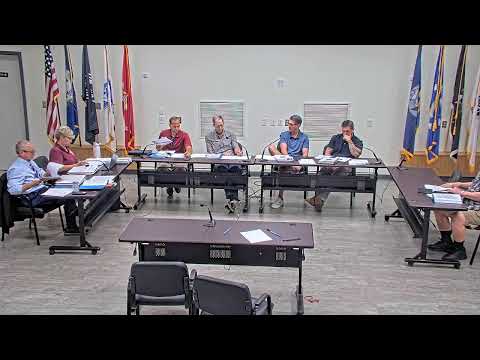
Oak Ridge Dairy asked the Somers Planning and Zoning Commission on July 9 to allow four movable transfer tanks on property at 39 Hurlburt Road to hold digestate before farm application. The commission closed the public hearing after more than two hours of testimony and voted 4–1 to include the application for further consideration, without granting final approval.
Why it matters: Residents said the tanks and truck traffic risk contaminating private wells and the shared aquifer, and called for an environmental or aquifer study and financial assurances. Supporters and the applicant’s counsel said the activity is overseen by state programs and the U.S. Department of Agriculture and argued the transfer tanks are part of a regulated nutrient‑management approach.
Applicant and regulatory context: Dory Reiser, attorney for the applicant, told commissioners the tanks are "transfer tanks" used with a RAIN360 irrigation system and that DEEP and NRCS have been involved in the nutrient management plan. She said the tanks are emptied daily during the growing season and that the operation is subject to CAFO (concentrated animal feeding operation) oversight and specific application rates.
Legal and procedural objections: Attorney John Parks, representing nearby property owners, urged denial and read from a notebook he submitted as part of the record. Parks argued portions of the application do not comply with Somers’ zoning regulation 7.12 — including a requirement that plans for new or enlarged manure storage sites be submitted to DEEP and USDA — and that the site plan lacks an impervious, diked containment area as required by section 7.12(b)(5). "If they do not do what this says, you lack authority to grant this application," Parks told the commission.
Public concerns: Multiple residents described past truck leaks through town and said they feared a spill could contaminate private wells. Jill Conklin, who lives on School Street, said an overturned truck or spill could affect dozens of properties and asked that the town require an environmental study. Pete Felix and others cited state right‑to‑farm statutes but said the scope of the requested special permit — four above‑ground tanks with an aggregate capacity described in the record as about 80,000 gallons — raised novel safety and traffic questions for Somers.
Applicant response: Seth Taylor of Oak Ridge Dairy said the digestate is applied directly to crop roots, that the tanks are seasonal and mobile, and that the product has been applied under a permit and nutrient plan for several years. "It goes in, it comes out," Taylor said, describing nightly emptying and daytime application. Counsel reiterated DEEP and NRCS oversight and said application rates and engineering reviews reduce the likelihood of runoff.
What the commission did next: After hearing testimony from both sides and accepting exhibit materials into the record, the commission closed the public hearing (voice vote) and then began deliberations. A motion "to include the application" — interpreted by commissioners as placing it on the commission’s agenda for further action and to consider conditions such as relocating tanks farther from the well — was made and passed 4–1 (one abstention earlier in the meeting). No final permit decision was recorded that night.
Next steps: The commission’s action preserves the record and allows the board to craft findings and potential conditions or to continue the application to a later meeting; a formal approval or denial would require a future vote based on the commission’s application of special‑permit criteria to the evidence on record.