Get Full Government Meeting Transcripts, Videos, & Alerts Forever!
Get email alerts on the Meal Payment topic
No spam. Unsubscribe anytime.
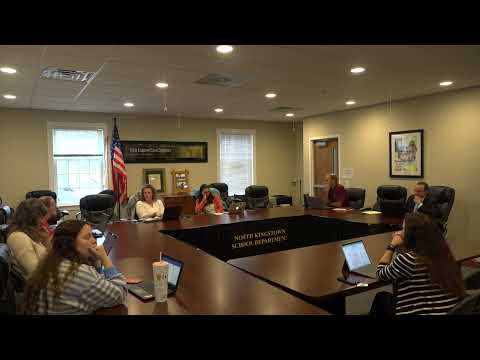
North Kingstown advisory group presses meal-payment draft to emphasize student dignity, move procedures online
Summary
The policy advisory committee reviewed a June draft of the meal-payment policy and recommended focusing policy text on student dignity and districtwide consistency while shifting detailed procedures (how to pay, cash handling, notification cadence) to an accessible procedures page for families.
The North Kingstown Policy Advisory Committee reviewed a revised meal-payment policy draft dated June 5 and asked staff to trim procedural language and sharpen the policy’s purpose to guarantee student dignity and consistent district practices.
Committee members said the draft mixes policy (what must happen) and procedure (how staff accomplish it) and recommended keeping the policy concise: confirm that students with negative meal balances will continue to have access to reimbursable breakfast and lunch and require prompt notification to families when balances exceed thresholds. "All students will be treated with dignity," said Erin Earl, the school committee chair, summarizing the group's priority on minimizing embarrassment for students in serving lines.
The committee debated specific operational questions that staff will address outside the policy text. Members flagged practical limits to always accepting cash at elementary schools, where cash handling often requires envelopes and manual deposits. Parents raised that the district’s online vendor (SchoolCafe) charges approximately $2.50 per deposit, which effectively adds a cost to families who pay online; the committee asked staff to confirm whether the vendor fee is mandatory and to recommend options so families are not disadvantaged. Several members urged that the policy require both an online and cash option or otherwise ensure equitable access.
Members also pressed for clearer notification timing. The draft uses a five‑meal threshold before some escalations, but members suggested earlier automated alerts so families get advance notice (several proposed notifying earlier than five meals). The draft’s automated semiweekly messages were discussed as a possible solution; committee members asked nutrition staff to confirm current thresholds (a $10 threshold was mentioned) and the cadence of automated messages.
On the question of what happens when a student reaches several negative meals, members said the policy should state that students will continue to have access to a designated reimbursable meal option rather than be denied service; the staff should define the menu scope in procedures. Parents and staff emphasized documenting unpaid meal balances for auditing and asked for an annual report to the school committee on bad debt totals.
The committee agreed on next steps: redraft the philosophy into a shorter paragraph that centers student dignity, remove or relocate procedural bullets (such as exactly how to prepay or set notification preferences) to the food-services procedures page, and return the cleaned draft to Ken and nutrition/finance staff for clarification. The chair said the committee will review the updated draft at a future meeting.
The minutes show the committee approved the May 26 minutes at the start of the meeting and later adjourned by voice vote; no formal votes on the meal policy were taken at this session.