Get Full Government Meeting Transcripts, Videos, & Alerts Forever!
Get email alerts on the Municipal Budget topic
No spam. Unsubscribe anytime.
Forest Park faces $5.5 million budget gap; tavern owner warns 2% food tax would hurt local restaurants
Summary
Village officials said Forest Park faces a projected $5.5 million FY2027 deficit and no reserves; staff outlined savings and grant-seeking while local business owners and residents urged the council to avoid a proposed 2% food tax and consider alternatives such as parking permits and grant funding.
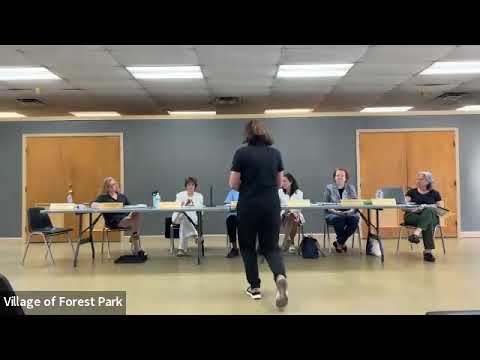
Forest Park officials told the village council July 8 that the municipality faces a projected $5.5 million budget shortfall for fiscal year 2027 and has no reserves, prompting discussion of grants, service reallocations and possible local revenue measures.
Village administrator (name not stated) said the villageended fiscal year 2026 with a roughly $1.8 million deficit, of which about $1.5 million reflects internal borrowing. "The village has no reserves available. We exhausted those last year," the administrator said, and added that the projected fiscal year 2027 budget deficit is $5,500,000.
The deficit stems from rising costs across several categories, the administrator said, including legal and consulting (about a 9% projected increase), IT services (about 5%), and an expected roughly 20% rise in health insurance costs for calendar year 2027. Officials also flagged a loss of $52,000 a year when a company ends its water-tower lease on Aug. 31, 2026, and ongoing capital needs including potential fire apparatus replacement estimated at $1.5 million to $2 million.
Why it matters: With no reserves and a multi-million-dollar projected gap, the council must identify new revenue or further cuts before the next budget adoption cycle. Staff and council discussed both one-time and recurring options, weighing short-term savings against longer-term impacts on services and special-project funds.
Officials described several savings and revenue measures already in place: a new contract for a Medicare/Medicaid cost-reporting service that the village expects will cut costs by about $50,000 annually; a reprocured garbage/yard-waste/recycling contract that staff estimate will save roughly $290,000 per year and locks rates for five years; pausing a long-running special event (Grooving in the Grove) to save about $10,000; and soliciting donations for events that produced about $6,800 this year.
"We were able to bring that [health insurance] increase down to a 10% increase as opposed to a 20," the administrator said, describing recent negotiations that reduced the employer cost pressure.
Council members and members of the public urged caution about proposed new taxes. Dennis Solar, who identified himself as a tavern owner, described steep and continuing increases in labor and food costs and warned that an extra 2% tax on eating places would squeeze already thin restaurant margins: "I think this added 2% would hurt business." Solar described staffing shortages, higher delivery and liquor-company charges and rising real-estate tax bills.
A resident who said he owns rental apartments proposed an alternate revenue idea: a rotating street-parking permit to reduce congestion and generate local revenue. He told the council "about 45% of households in Forest Park are rentals" and suggested a permit system that alternates parking sides by month as one approach to raise money while addressing street-clogging.
Commissioner Melba Bowman (introduced at the meeting) outlined grant-focused strategies to offset costs, saying she has identified roughly $1.2 million in potential grant opportunities for the community center and public-works projects and set a target of pursuing about $400,000 a year in community-center funding. "My goal is to seek and receive $400,000 worth of funding for the community center per year," Bowman said, noting that many grants require matching funds and council approval.
Council discussion emphasized trade-offs: several members noted that shifting expenses into restricted or enterprise funds relieves general-fund pressures but reduces capacity for discretionary infrastructure projects. The administrator cautioned that although the village successfully obtained principal-forgiveness loans from the Illinois Environmental Protection Agency for prior lead-service-line work, recent applications did not receive that forgiveness and grants are not guaranteed as other municipalities now compete for the same funds.
Next steps: Council members requested more detail and more discussion of alternatives before committing to a revenue plan. There were no motions or votes recorded at this session; staff will continue to refine revenue options, pursue grants, and report back to the council for future decisions.