Get Full Government Meeting Transcripts, Videos, & Alerts Forever!
Get email alerts on the Assessment Results topic
No spam. Unsubscribe anytime.
Sodus CSD presents mixed results on new state tests; district outlines targeted literacy and exam-response plans
Summary
District presenters reported strong pass rates in some subjects (ELA 11 and algebra 2) but low results on newly introduced science exams; the district said it will deploy targeted teacher-led interventions, adjust master schedules and improve communication about review sessions.
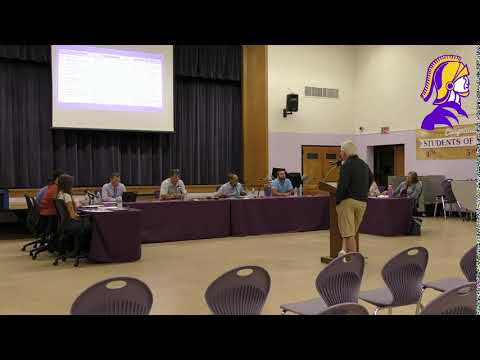
District administrators presented a mixed set of results from state and locally administered assessments at the July 9 board meeting, highlighting strong pass rates in some subjects and worrying gaps in newly revised state science tests.
At the junior–senior high level, Dave summarized readings from the state assessments: "On the ELA 11 we had about 96 students take that... the passing rate for this year, 65 to 100, we had 80% on there and then when we include all the students who get safety net because of a 504 or an IEP, it's actually about 10% higher." He added that algebra 2 sustained a strong pass rate (reported at roughly 93%) while some new science exams were problematic: on the new earth and space science test the district saw an approximately 31.25% pass rate.
Why it matters: Several of the state tests were newly introduced this year, and districts statewide are still interpreting results and norms. Low pass rates on new exams can affect curriculum planning, graduation pathways and intervention needs.
K–6 literacy presenters described the district’s first full year of DIBELS implementation alongside the Johns Basic Reading Inventory (BRI) and the Benchmark Advance curriculum. A district literacy presenter explained that DIBELS breaks reading into five short subtests that help identify which component (phonemic awareness, fluency, comprehension, vocabulary) requires support for an individual student. "One of the things that we have really noticed is that fluency is really a struggle as the kids have been going up through their grades," a literacy lead said, and the district described targeted summer work, teacher professional development and classroom-level fluency activities (reader’s theater, small-group practice) to address that area.
Board members raised procedural and scoring concerns about Regents exams. Nelson College said that, "this year, with the exception of ELA 11, all of those regents exams were scored in-house by our own teachers," noting that in prior years concerns had been raised about outside scorers. Board members pressed on the limits of rescoring: the district noted that state rules severely restrict rescoring and that rescoring attempts can carry professional consequences if not permitted by New York State guidance.
District next steps described at the meeting included: - Targeted summer and in-year interventions for science and math standards where gaps appeared; increased teacher collaboration and use of gap-analysis reports. - Focused fluency work in K–6 classrooms and use of DIBELS/BRI data to form instructional groups. - Improved communication to families about test-review sessions and opportunities for student preparation.
What was not specified: The transcript did not provide a dollar-value budget for interventions or a complete breakdown of which exact classes will receive which services; members repeatedly requested more granular follow-up data and timing for intervention rollout.
The board discussed these reports during the public portion of the meeting and did not take formal action beyond receiving the presentations.
(For provenance: the testing and literacy presentations and the Regents-scoring discussion are recorded in the meeting transcript and were presented by district staff.)