Get Full Government Meeting Transcripts, Videos, & Alerts Forever!
Get email alerts on the Child Drownings topic
No spam. Unsubscribe anytime.
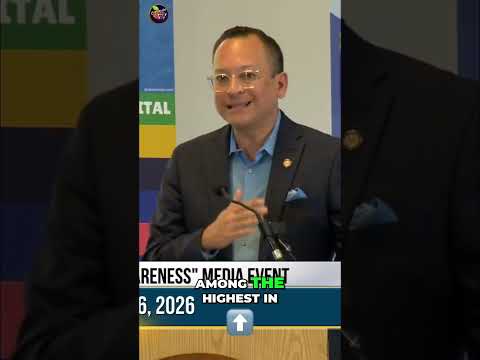
Committee member says Florida's child drowning rate remains among nation's highest; cites data that 1 in 4 fatalities involved autistic children
Summary
A meeting speaker said Florida's number and rate of fatal child drownings are "staggering" and cited data from Kirby at the Department of Children and Families indicating about one in four fatal child drownings last year involved an autistic child; the transcript shows no formal action or vote.
A committee member told attendees that Florida's number and rate of fatal child drownings remain alarmingly high and disproportionately affect vulnerable children, citing data collected by "Kirby" at the Department of Children and Families.
"It is not just the quantity of fatal child drownings here that is so staggering in Florida. It is also the rate of fatal child drowning in our state that continues to be among the highest in the nation," the committee member said, urging attention to the data. The speaker added, "Last year, according to data that Kirby has been collecting at the Department of Children and Families, 1 in 4 of those fatal child drownings was an autistic child."
The remark attributed the statistic to Kirby's collection efforts at the Department of Children and Families; the transcript does not provide the total number of fatal child drownings, the methodology for the count, or whether the department has published the data. The speaker framed the statistic as evidence the crisis disproportionately affects children with autism and other vulnerable groups.
No further context, source documents, or follow-up actions are recorded in the provided transcript excerpt. The meeting excerpt does not show a motion, vote, or formal directive tied to the statement.
Next steps: The transcript segment provided contains only the speaker's statement and does not record any formal action, request for staff follow-up, or documentary citation. Additional records or later meeting segments would be needed to confirm the underlying data and any policy response.