Get Full Government Meeting Transcripts, Videos, & Alerts Forever!
Get email alerts on the Utilities topic
No spam. Unsubscribe anytime.
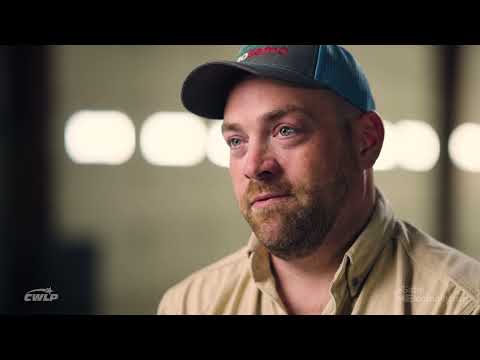
Lineman describes how crews find and restore power outages, and why callers help
Summary
A lineman described the step-by-step process crews use to locate and fix outages — from dispatch calls and visual breaker checks to grounding and re-energizing — and urged residents to report outages because multiple calls help pinpoint problems.
A lineman described how crews locate and restore power after outages, explaining dispatch procedures, safety checks and common causes of outages.
He told listeners that after receiving an after-hours call from dispatch, crews leave immediately when needed and try to determine whether an outage is isolated to a single home or affects multiple customers. "As a lineman, something I hear a lot is how long is it gonna take," he said, adding that multiple callers reporting an outage often points crews to a larger line problem.
The speaker summarized how electricity moves from power plants through transmission and step-down transformers before it reaches the pole transformer that serves households. He explained that when a breaker opens on the line crews first verify its status, then perform a visual opening (cutouts) before working on the line to ensure it is safe.
Safety procedures are central to the work, he said: crews ground the line, perform voltage checks to confirm the line is dead, and hold a safety briefing that highlights unexpected hazards such as traffic when working on highways. "We do a safety briefing," he said. He described a typical staffing pattern: "On a normal outage, we do a 2 man call out," and more personnel are called when repairs require replacing a pole or involve more extensive damage.
The lineman described common outage causes — tree limbs, lightning, wind damage, car accidents or equipment failure — and encouraged residents to flag crews down or report what they saw because extra information helps narrow the search. He also noted that seeing a crew truck passing by often reassures residents that work is underway.
When repairs are finished, crews remove grounds and contact dispatch to verify no one else is on the line and to confirm the crew composition before receiving clearance to energize. "And at that point, we'll energize the line and make everybody happy," he said.
He closed by noting the increased reliance on electricity for remote work and by asking the public to understand that crews aim to restore power "as safely and fast as possible." He did not identify his employer during the remarks.