Get Full Government Meeting Transcripts, Videos, & Alerts Forever!
Get email alerts on the Budget topic
No spam. Unsubscribe anytime.
Supervisor outlines budget pressures as board weighs school capital, housing fund and tax composition
Summary
County Supervisor presented the FY budget drivers ahead of next week’s adoption, citing debt service for new schools, rising public-safety staffing costs, healthcare/self-insurance increases and a proposed $5M housing investment fund; board members debated dedicating funds to new school construction versus operations.
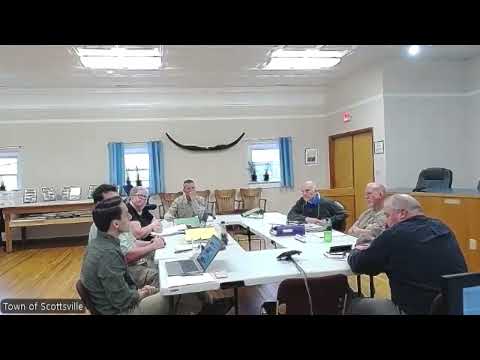
Supervisor (speaker S2) presented the county’s budget plan ahead of a formal vote next week, telling the council the top drivers are debt service on multiple new school projects, major capital work (including a jail renovation), and rising personnel and health insurance costs. “We have our buddy… the big driver is the pursuit of budget that we chose,” the supervisor said, noting stress from simultaneous capital projects and staff shortages.
The supervisor described public safety staffing shortages with “double digit” vacancies in the police force, and said a consultant-recommended step change to pay grades and hiring incentives is being implemented to address recruitment and retention. He also warned of rising self-insurance health costs for county employees and said those trends are a major budget pressure.
On housing, the supervisor said the proposed housing investment fund is currently funded at $5,000,000 and would support affordable housing through mezzanine financing and other gap tools, generally targeting units affordable to households at 60% of area median income. “Almost everything that we commit dollars from the housing investment property is going to be committed at the 60% or lower,” he said, while acknowledging debates about whether to use small-area income measures.
School funding was a central flashpoint. The supervisor said the school division requested financing for a fourth comprehensive high school in addition to three planned projects; he described the schools’ shifting priorities (maintenance versus new construction) and noted the state composite index and recent population/wealth changes that affect state aid. He said the board was split on whether to allocate the proposed $6,000,000 entirely for school capital or split part for operations, and that parents and the school board had been lobbying for different allocations.
The supervisor outlined reserve and cash-flow steps: a plan to draw half a percent this year and half a percent next year from the stabilization reserve to cover transitional shortfalls, with the expectation that new tax revenue tied to forthcoming development will refill reserves over time. He said the county currently has a 10% operational reserve and a separate 2% budget stabilization reserve.
Board members asked for more detail on the revenue composition, how much of property tax growth is residential versus commercial and what the county can do about the long-term shift toward a residential tax base. The supervisor proposed pursuing targeted economic development to rebalance the tax base and working with regional partners on consolidated transit funding, which could shift some costs off residents.
The meeting recorded no formal vote on the budget during this presentation; the supervisor closed by saying staff will continue to gather feedback and refine language before the formal adoption work session next week.