Get Full Government Meeting Transcripts, Videos, & Alerts Forever!
Get email alerts on the Code Enforcement topic
No spam. Unsubscribe anytime.
Spokane code enforcement details large cleanups, abatement crews as residents press for bike-lane and e-bike action
Summary
Deputy Director Jason Ruffing told a District 2 town hall the department is shifting from complaint-based inspections to proactive abatement crews, is removing tens of thousands of pounds of waste monthly tied to outreach work and seeks better citizen-facing software; residents pressed officials about bike-lane debris, e-bikes and street‑racing enforcement.
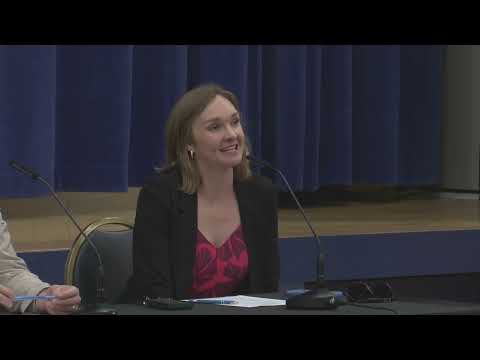
At the District 2 town hall on May 24, Jason Ruffing, deputy director for code enforcement, described how the department organizes inspections and abatement work and answered resident questions about enforcement limits and street safety.
Ruffing said code enforcement operates as two teams: inspectors who handle technical violations and labor crews who perform abatements and public-space cleanup. He said the city has moved away from a strictly complaint-driven model and now assigns abatement crews aligned with each police precinct so cleanup is more consistent across neighborhoods.
He listed priority violations the department focuses on: tall grass and weeds, solid-waste on private property, right-of-way obstructions (including blocked sidewalks), inoperable/unlicensed vehicles on private property, graffiti and unsafe/abandoned buildings. "These are all things that are imminent public-health and safety hazards, but also they're all things that we can actually act on," Ruffing said.
Ruffing described the scale of cleanup operations tied to outreach and abatement work: he said crews remove tens of thousands of pounds of garbage monthly tied to homeless-outreach partnerships and illegally dumped material, and that the department has at times removed more than 100,000 pounds from a single property during abatements. He also said some code violations (for example, certain zoning issues such as front-yard parking) lack an abatement path beyond notice and possible civil infraction, limiting the department's ability to resolve them automatically.
During Q&A, residents raised concerns about debris in bike lanes and sweeping frequency. Council and staff acknowledged equipment and mileage constraints for street sweepers and encouraged neighborhood ownership of curb lines where feasible; they also noted a city bike-registration program exists for theft tracking and that council can study registration or other policy options for e-bikes.
The code-enforcement briefing emphasized partnerships with outreach teams, 311 reporting for neighborhood issues, and ongoing software updates intended to improve citizen-facing services.
Ruffing urged residents to report problems to 311 so staff can prioritize work and follow legal abatement paths where possible.