Get Full Government Meeting Transcripts, Videos, & Alerts Forever!
Get email alerts on the Local Agriculture topic
No spam. Unsubscribe anytime.
Albany Conservation Commission hears farmers report a cold, wet spring, heavy pest and wildlife losses and discuss drainage and infrastructure
Summary
At its March meeting the commission received annual updates from two town farmers who described an unusually cold, wet May, severe insect and wildlife pressures, planting delays and questions about NRCS grants, pollinator plots and whether temporary high/low tunnels or greenhouses can be sited on town land.
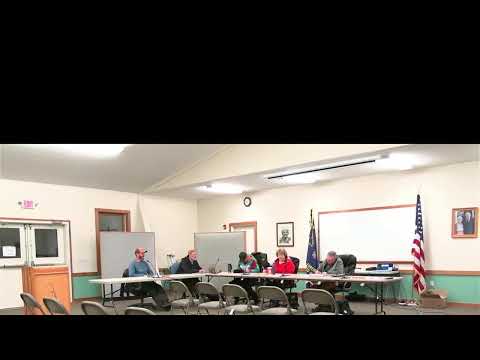
The Albany Conservation Commission on March 3 heard annual reports from two farm operators who manage plots on town land, who described a difficult 2025 season marked by an unusually cold, wet spring that compressed needed field‑work into a few days and worsened pest and wildlife losses.
"It was an interesting season last year," said Jake (farmer), summarizing production challenges that followed mechanical trouble and a May he described as “the coldest, wettest May we’ve had” in decades. Jake and his fellow farmer said the shortened window for field work reduced planting opportunities — one grower said planting in some fields was delayed until around the Fourth of July — and led them to plant roughly one‑third of the acreage they would normally plan for the year.
Commission context: why it matters
Commission members said the check‑in informs the town’s agricultural management plan and helps the commission track needs for infrastructure and conservation practice support. Farmers flagged items that could affect future yield and community food access: drainage problems on low parcels near the railroad, persistent wildlife predation on high‑value crops, and uncertainties about grant timing and eligibility for practices such as cover cropping and pollinator plots.
What the farmers reported
Jake described equipment stress and personal strain — managing the farm while caring for a newborn — and said he intends to scale back this season to reduce burnout. He and other farmers described heavy wildlife losses: one grower said dozens of watermelons were smashed on multiple mornings, and they said they worked with Fish & Game to obtain limited nuisance tags and guidance for nighttime removal. On insect pressures, farmers said a new wave of pests produced unusually high pressure; a grower noted the state entomologist had observed atypical insect levels in their fields.
On conservation practices and grants, farmers described how the Natural Resources Conservation Service (NRCS) subsidy model works in practice: farmers typically pay up front and are reimbursed if the work meets NRCS specifications. Jake told the commission that NRCS paperwork and eligibility rules have been barriers: "the NRCS won't work with nonprofits or municipalities," he said, and timing requirements can make it difficult to meet program deadlines.
Farm equipment, crops and innovations
Growers described adapting crops and practices: planting varieties with shorter maturity windows, relying on plastic bed mulch to warm soils early in the season, and experimenting with biodegradable mulches and paper pots. Farmers said biodegradable options are promising but currently less durable and more expensive per roll than conventional plastic, and that decomposition behavior varies by moisture and product. They also mentioned a new field robot as a positive development for one operation.
Site‑specific issues: drainage, trees and potential machinery
Several farmers and commissioners raised continuing drainage problems on a 4‑acre parcel near Route 16 and the railroad. They said trees and brush are filling the ditch and trapping water; commissioners discussed the potential need for a contractor with heavy mulching or excavating equipment to reopen or re‑grade the drainage line, while noting wetlands permitting may constrain options.
Minutes and next steps
During new business the commission approved the minutes of its Feb. 3, 2026 meeting by voice vote; the chair announced the motion carried. Commissioners asked staff to check whether low or high tunnels or small temporary greenhouse frames would be permitted on the town parcel identified in the agricultural management plan and to follow up with farmers about drainage options and potential contractor contacts.
Quotes and attributions
Direct quotations in this report come from speakers recorded in the meeting transcript and are attributed to the speaker labels used at the meeting: Jake (farmer) and the Richardson farm representatives.
Ending
The commission closed the meeting after routine items and adjourned at 7:50 p.m. The commission said it will continue work on agricultural management plan updates and follow up with farmers on drainage options, permitting around temporary structures, and NRCS program details.