Get Full Government Meeting Transcripts, Videos, & Alerts Forever!
Get email alerts on the Procurement And Legal topic
No spam. Unsubscribe anytime.
Board tables procurement item, debates timing of executive session and cites Rhode Island statutes
Summary
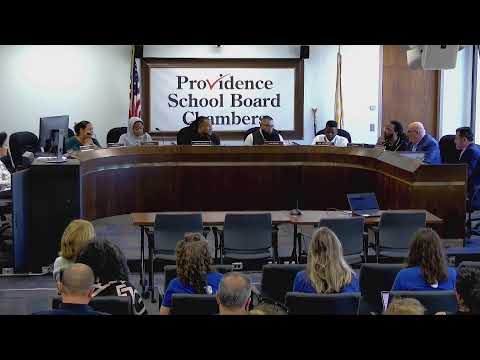
The finance committee reported procurement concerns with the return to local control; the board tabled a procurement agenda item, rearranged the agenda over quorum concerns and read statutory language authorizing executive session on litigation and counsel appointment.
The board's finance committee reported ongoing work to streamline procurement under the district's return to local control, but committee members also warned legal guardrails limit quick changes.
Following that report, members moved and approved a motion to table agenda item 5.1 (a procurement‑related matter) while they continue deliberations. Committee members said they want procurement procedures that avoid months‑long delays without violating statutory requirements.
Board members then discussed quorum and whether the planned assessment presentation could proceed as a workshop if quorum was lost. The board attorney explained that a presentation could proceed as a workshop but that no formal action could be taken without quorum. Board member Bramson moved to rearrange the agenda, moving items 7 and 8 ahead of item 6; the motion passed by voice vote.
Toward the end of the meeting the president read the statutory basis for convening an executive session, citing Rhode Island General Law "42‑46‑5(a)(2)", "42‑46‑5(8)(2)" and "42‑46‑5(a)(1)" to discuss litigation strategy related to unexpected school funds and a declaratory order concerning the board's authority, and to consider the job performance and appointment of the board's legal counsel. The president said such a convening would require a roll call vote and asked the clerk to call the roll; the meeting then moved toward a private discussion with legal staff.
No formal roll‑call vote on convening the executive session was recorded in the public portion of this meeting; the president stated the board would meet with the solicitor and board attorney.