Get Full Government Meeting Transcripts, Videos, & Alerts Forever!
Get email alerts on the Community Action topic
No spam. Unsubscribe anytime.
Kiawah Island stewardship program seeks volunteers, offers simple steps to protect shorebirds
Summary
Cindy McKinley, the new coordinator of the Kiawah Island Shorebird Stewardship Program, appealed for volunteers and laid out four public actions — steer clear, heal pets, respect signs, educate others — plus flexible tabling and roving opportunities.
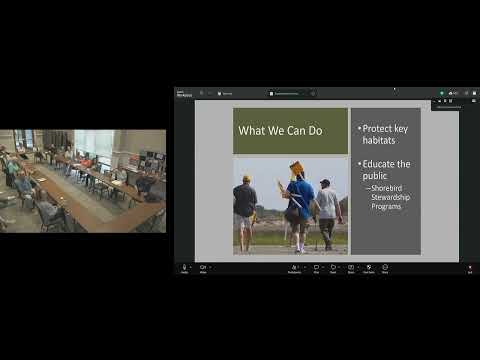
Cindy McKinley, the new coordinator of the Kiawah Island Shorebird Stewardship Program, invited residents to join shorebird stewardship work and described practical steps volunteers and beachgoers can take to reduce disturbance.
"If you are new here and you're interested in the program, you can either email me at kshorebirdsgmail dot com," McKinley told the audience, adding she had a sign‑up sheet and flyers available. She described a lightweight volunteer model that emphasizes flexibility rather than fixed shifts: stewards may do roving (bringing laminated ID sheets and vests), tabling at Beachwalker Park, or informal outreach during walks.
McKinley presented an easy acronym for public behavior: S — steer clear (give birds space); H — heal your pets (keep dogs leashed/away from birds); R — respect posted signs (no‑dog and nesting closures); E — educate others (share what you learn). She urged people to leash or "heel" dogs if they encounter a flock, noting bicycles and off‑leash dogs can easily spook birds during critical staging and nesting periods.
Volunteer logistics McKinley described include a short online training, optional text groups for coordination, a suggested minimum of six volunteer hours per year (to cover training and a few patrols or tabling events), and social activities such as bird walks and occasional kayak trips. She said many materials come from partners including Audubon South Carolina and DNR and that some program elements (logo, flyers, stickers) are in progress.
McKinley emphasized that volunteers do not need to be bird experts: she recommended starting by focusing on one species (for example, red knots in spring) and using program cheat sheets to answer visitors’ questions. She said the program has been effective at combining public education with simple protections — signage, roped areas and respectful beach behavior — to reduce human disturbance in nesting and staging sites.
The presentation concluded with McKinley encouraging attendees to sign up at the meeting or contact the program via the posted email to receive training and materials.