Get Full Government Meeting Transcripts, Videos, & Alerts Forever!
Get email alerts on the Fire Inspection Reporting topic
No spam. Unsubscribe anytime.
Warrensburg council rejects ordinance to require third‑party reporting of fire‑protection inspections
Summary
After hours of questions about costs, scope and data security, the city council voted down an ordinance that would have authorized a contract with Brycer to centralize third‑party reporting of fire protection system inspections and added a local $18 administrative fee.
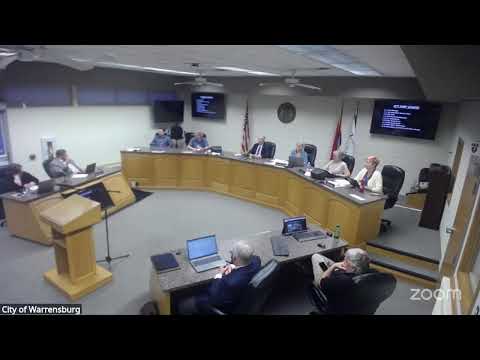
Warrensburg — The City Council on Monday declined to approve an ordinance that would have authorized the city to contract with Brycer Advisory Group to centralize reporting of third‑party fire protection system inspections and to establish a local administrative fee.
Fire Chief Ken Jennings told the council the proposed agreement would give the city access to a vendor database showing which systems — sprinklers, hoods, extinguishers and similar equipment — had been inspected, when, and whether deficiencies required follow‑up. Jennings said the system would allow staff to focus limited prevention‑office time on properties with outstanding issues instead of relying on sporadic, chance inspections tied to liquor or business license checks. “This will help ensure that they are operational,” Jennings said.
Council members and local business owners pressed staff for details about who would be covered and how much it would cost. Staff said the vendor fee would be about $27 per system upload and the city proposed an $18 per‑system charge intended to recover staff time, for a total typical submission of about $45 per system. Staff also said Brycer retains a 7% administrative share on collected fees, and that vendors sometimes build reporting fees into their inspection charge.
A downtown business owner told the council the combined costs could be “over double” what the business has paid in the past and worried the added bills would disproportionately affect small enterprises. Council members discussed alternatives — from waiving the city charge for reliably compliant businesses to postponing the fee portion and returning with revised rates — but staff cautioned that differentiating charges at the point of collection would be administratively difficult.
Questions about privacy and security came up during the discussion. Jennings said Brycer would hold limited business identifying information, that the city retains ownership of inspection data and that the vendor follows industry security practices, including transport layer security and a documented breach protocol.
A council member moved to approve the ordinance as presented; after roll call the motion failed. The clerk read the vote on the motion as a majority of no votes and the ordinance did not pass.
What happens next: Staff and council discussed options to revise the fee structure or to bring back alternatives. Council members suggested returning an amended ordinance and fee schedule for future consideration rather than advancing the current version.