Get Full Government Meeting Transcripts, Videos, & Alerts Forever!
Get email alerts on the Land Use topic
No spam. Unsubscribe anytime.
County delays proposed zoning changes on trails, transportation facilities for 90 days after public concerns
Summary
After public comment from parks and winery representatives who warned the draft language could unintentionally bar trails and agritourism uses, the Yamhill County Board of Commissioners voted unanimously to pause consideration of proposed amendments to allow roads/highways/transportation facilities in exception areas for 90 days to refine definitions and findings.
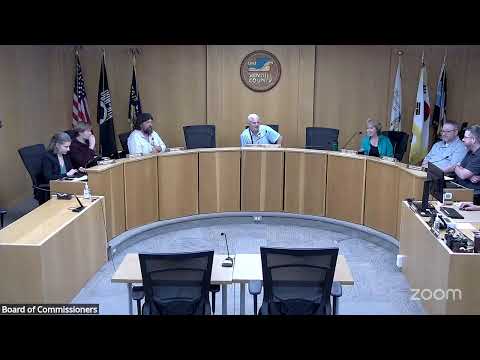
The Yamhill County Board of Commissioners voted unanimously on July 9 to delay action for 90 days on a proposed amendment to the county zoning code governing roads, highways and transportation facilities in exception areas, after multiple public commenters and board members raised concerns about ambiguous definitions and unintended consequences for trails and agritourism.
Clay Downing, speaking for the Chehalem Park & Recreation District, said the draft ordinance lacked findings demonstrating consistency with the county’s comprehensive plan and with Oregon statewide land use goals 5 and 8 and urged the board to defer adoption until definitions for trails and accessory facilities were clarified. “Because the proposed amendments are not explained or justified, the proposed amendments appear to indiscriminately expand regulatory burdens,” Downing told the board.
Morgan McLaughlin, executive director of the Willamette Valley Wineries Association, and winery owner Paige Knutson Coles said the changes could unintentionally restrict walking trails and agritourism activities that many wineries use for visitor experiences and grant‑funded projects.
Planning staff reviewed the legal history, noting LUBA decisions and a 1993 state law change that made the county’s code treatment of roads and transportation facilities more complicated. Staff recommended an approach that emphasizes conditional‑use review in affected zones rather than a narrow, detailed new definition that could generate litigation. The planning director told the board staff would consider fee‑reduction options for applicants seeking rezones if that path proved necessary.
Chair Johnston moved to delay the ordinance for up to 90 days to allow staff to refine language and seek consensus; commissioners agreed and the motion passed unanimously. Staff said they would return sooner if a solution is found before the 90‑day window.
The board’s pause preserves the status quo while staff and stakeholders work to define terms such as what constitutes a public trail versus a private path, and to assemble findings addressing consistency with statewide goals and the county comprehensive plan.
The board did not adopt the ordinance on July 9; the delay was procedural and intended to give staff time to reconcile the competing concerns raised by park advocates, wineries and county planners.