Get Full Government Meeting Transcripts, Videos, & Alerts Forever!
Get email alerts on the Energy Policy topic
No spam. Unsubscribe anytime.
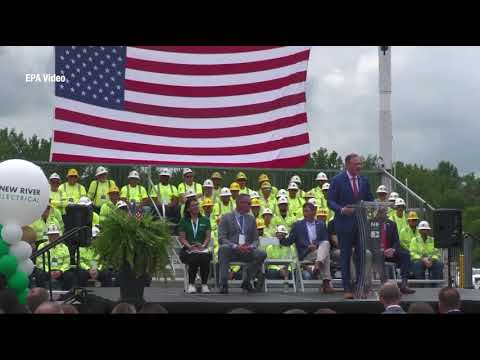
Presenter frames 'energy dominance' agenda as compatible with environmental protection
Summary
A presenter argued that protecting the environment and growing the economy are compatible, saying President Trump signed an executive order declaring a national energy emergency and created a national energy dominance council; the remarks called for permitting reform, cooperative federalism and support for AI and auto jobs.
In a brief address, a presenter said President Trump was sworn in for a second term and, "right away," signed an executive order declaring a national energy emergency and created a national "energy dominance" council, according to the speaker.
The speaker said the agenda aims to align environmental protection with economic growth. "We can both protect the environment and grow the economy," the presenter said, criticizing approaches that would "suffocate out of existence entire sectors of our economy." The remarks framed the administration's approach as rejecting a binary choice between environmental rules and jobs.
The presenter outlined policy priorities the speech described as central to that approach: "unleashing energy dominance," "advancing cooperative federalism," and permitting reform intended to accelerate technology investment. The speaker said permitting changes would help "make America the AI capital of the world" and "bring back, protect American auto jobs." These elements were presented as part of an economic strategy tied to energy policy.
The address framed current energy challenges as opportunities for growth. The presenter said the country's "future potential for growth" is "limitless" and closed with optimistic remarks that the nation will "continue to be the greatest country in the world" and that "the future is exciting."
No votes or formal legislative actions were reported in the address; the remarks largely presented priorities and rhetoric rather than procedural steps for new statutes or regulations. The speaker attributed the executive order and the creation of the energy council to the president but did not provide further details on implementation, deadlines, or statutory citations.