Get Full Government Meeting Transcripts, Videos, & Alerts Forever!
Get email alerts on the Darpa Program Management topic
No spam. Unsubscribe anytime.
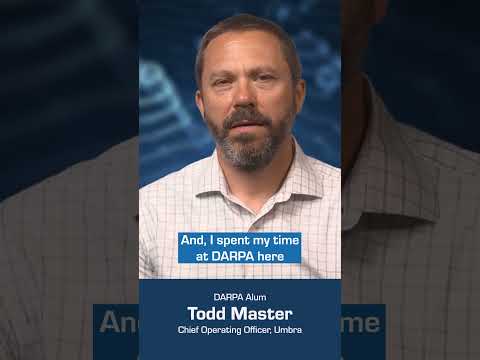
Program manager at DARPA describes broad authority, team oversight and career paths into commercial space
Summary
A program manager at the Defense Advanced Research Projects Agency (DARPA) said program managers oversee contractor teams, exercise unusual autonomy and budgeting authority within government, and often move into commercial space roles that leverage that experience.
A program manager at the Defense Advanced Research Projects Agency (DARPA) described the role as a mix of technical work and substantial program management, saying the position gives unusual exposure to operational ‘‘mechanics’’ and responsibility for multiple contractor teams and internal consultants.
The program manager at DARPA said most people who come to the agency are technical specialists and that a PM’s responsibilities go well beyond a narrow technical remit. "The job is a program manager at DARPA, but there is a lot of real, like, program management and a lot of mechanics under the hood," the program manager said, adding that PMs "have a contractor team, in many cases, multiple contractor teams that you're sort of overseeing."
Those duties, the speaker said, require active personnel decisions and leadership: identifying high-performing team members, rotating people into the right roles and managing teams through a portfolio of projects. "That experience really is super important because you're gonna need to do that if you're gonna be in a leadership role in an organization later," the program manager said.
The speaker characterized DARPA as "probably one of the absolute best jobs" for technical people in the U.S. government, citing autonomy and budgetary resources that the speaker described as "unmatched in the government." At the same time, they noted strong opportunities outside government, particularly in industry and academia: "There is a world of, like, really interesting jobs out there that really are, you know, world changing, that are open to a DARPA program manager."
Turning to the space sector, the program manager said they have spent 25 years in space-related work and observed a marked increase in private investment: "There had been a massive amount of investment in private space companies... a huge influx of venture capital and private equity going into space." That market shift, the speaker said, influenced their decision to pursue commercial opportunities where some DARPA principles—such as focusing investment on high-payoff, high-impact technologies—apply.
The speaker emphasized that while DARPA affords the chance to pursue ambitious technical goals within government, similar opportunities to "change the world" can exist in the private sector, albeit with different scopes and priorities. The remarks were delivered as a first-person account of the PM role and career trajectory, not as a formal policy statement or organizational announcement.