Get Full Government Meeting Transcripts, Videos, & Alerts Forever!
Get email alerts on the Ordinance Consistency topic
No spam. Unsubscribe anytime.
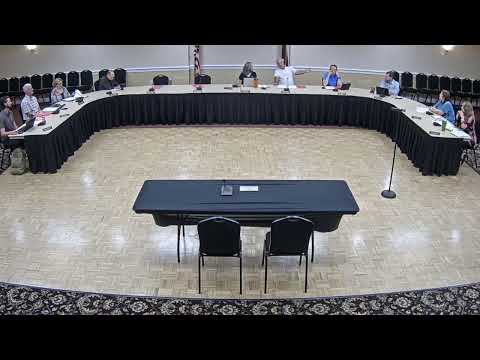
Verona planning board finds ordinance not inconsistent with master plan; memorializes redevelopment recommendations
Summary
The planning board voted to find an ordinance (chapter 150) not inconsistent with the master plan and approved a resolution memorializing recommendations to the council; the board also approved meeting minutes.
The Township of Verona Planning Board voted June 25 to find a municipal ordinance (referred to as chapter 150) not inconsistent with the master plan and approved a separate resolution memorializing four redevelopment recommendations previously sent to the township council.
Zoning code official Miss Leech explained that the ordinance addresses certificates of occupancy, continued occupancy, and non‑UCC continued‑occupancy certificates. She said the changes make the language gender‑neutral and adjust the timing of fire, building and health sign‑offs so that the space receives those approvals before it opens to tenants (rather than permitting a 30‑day post‑opening inspection).
After discussion, a member moved that the board find ordinance '20 26‑10' not inconsistent with the master plan; the board seconded the motion and approved it by roll‑call vote. The board also moved and passed resolution '20 26‑21,' memorializing the planning board’s four recommendations that had been sent to the council prior to second reading. The board approved the April 23 planning board minutes by voice vote earlier in the meeting.
Board attorney and staff advised that the planning board’s consistency determination is limited to how the ordinance relates to the master plan (municipal Land Use Law Section 26) and does not substitute for the governing body’s authority; the governing body may still act on second reading and adopt the ordinance with the applicable procedure.
The board did not take additional action on the ordinance text at the meeting; members agreed it is administrative in nature and largely unrelated to land‑use policy. The board discussed creating a brief resolution to memorialize the finding for the record.