Get Full Government Meeting Transcripts, Videos, & Alerts Forever!
Get email alerts on the Mtss topic
No spam. Unsubscribe anytime.
Woodside Elementary staff describe small-group 'Timber Time' to help students close learning gaps
Summary
Woodside Elementary staff presented their MTSS-aligned small-group model ('Timber Time') that uses four-day weekly group sessions, progress monitoring and personalized reading plans to move students from targeted intervention back into grade-level instruction.
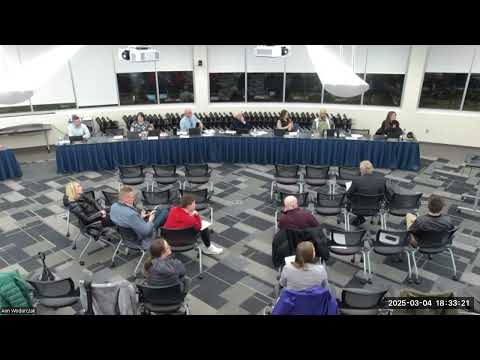
Woodside Elementary teachers told the school board about a tiered support model that relies on targeted small-group instruction to address reading and math gaps.
A Woodside presenter described Tier 1 as whole-class instruction "that everyone gets" and Tier 2 as a smaller-targeted intervention typically serving roughly 5–15% of students. "Our biggest lever... is really small group instruction," the presenter said, describing 15- to 30-minute small-group blocks during which students rotate to instructional specialists and classroom teachers share responsibility for progress monitoring.
Teachers showed progress-monitoring routines used in first and second grade: timed fluency readings, weekly tracking of words-per-minute and structured fluency practice; teams reassess students at five and 10 weeks to determine whether they can return to Tier 1 or should remain in Tier 2. The presenters emphasized the district’s shift to science-based reading practices and development of individualized reading plans in response to recent legislative requirements.
Board members asked about group lengths and schedule (15 vs. 30 minutes) and whether transportation or logistics would affect participation. Staff said first-grade groups typically meet four days per week in 15-minute sessions while some grades run a 30-minute block and that a 10-week progress-monitoring window is standard for reading interventions.
The board thanked the staff and noted the importance of scaling successful practices across elementary grades.