Get Full Government Meeting Transcripts, Videos, & Alerts Forever!
Get email alerts on the Citi Bike topic
No spam. Unsubscribe anytime.
Community board hearing spotlights Citi Bike affordability after e‑bike speed cap
Summary
A Community Board 2 meeting on June 30 heard a resident analysis that Citi Bike's e‑bike speed reduction has increased ride times and per‑minute charges, and discussed council proposals, a draft CB2 resolution and possible city subsidy or contract changes with Lyft to ease costs.
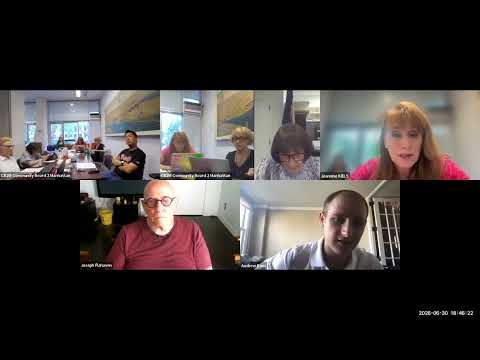
Janine Kiley, chair of the Community Board 2 traffic and transportation committee, opened the June 30 meeting by saying Citi Bike affordability was a top agenda item and asking a resident to present his findings.
"In June of last year, Eric Adams reduced the speed limit of the Citi bikes from 18 miles per hour to 15 miles per hour," resident Andrew Kim told the committee, and because Citi Bike charges on a per‑minute basis, the slower e‑bike speeds increase trip time and therefore cost. Kim said his model shows a typical commute that used to take 12 minutes now takes about 15, and that the compounded difference could add up to nearly $1,000 per year for frequent users.
The presentation prompted questions from board members about pricing mechanics and membership. Committee members recorded a membership figure of about $210 per year; Kim said membership fees and per‑minute charges have been raised repeatedly since 2020. Kiley noted pending legislation at City Council: Council member Chris Marte has proposed discounted Citi Bike memberships (students and seniors among intended beneficiaries), and another bill by a council member identified in the meeting as Ressler would cap Citi Bike trips at no more than a single subway fare.
Board members discussed policy options — capping per‑ride cost at the subway fare, pursuing a city subsidy, or negotiating better terms in the vendor contract with Lyft, which operates Citi Bike under city contract. "It'll either be a city subsidy or a better contract with Lyft or a combination of both," Kiley said.
Several members urged that equity language be added to any board resolution, noting that fare increases disproportionately affect lower‑income and commuting riders who rely on Citi Bike. Kiley said the board would add language disincentivizing speeding, add equity provisions, and confirm details about bridge‑crossing surcharges.
The committee circulated a draft resolution reflecting those points, but Kiley said the board lacked quorum for a formal vote (five of 10 members present), so the committee agreed to share the draft and return with a final recommendation at a later meeting.
What happens next: the committee will circulate the draft resolution and follow up with DOT/MTA and City Council contacts on potential funding and contract options. The meeting included a commitment from staff to provide supporting materials and the Transportation Alternatives study comparisons that the chair said she would post to the board website.