Get Full Government Meeting Transcripts, Videos, & Alerts Forever!
Get email alerts on the Housing Grants topic
No spam. Unsubscribe anytime.
Arlington staff to cap housing grants and open a 500‑household wait list this fall
Summary
County staff told the Housing Commission that a FY27 board spending cap will limit housing grants and that a Yardi‑run wait list and lottery will retain up to 500 households; administrative regs, priority preferences and outreach materials are pending a county manager signature and an October implementation target.
Chair opened the meeting and asked Department of Human Services staff to brief the commission on implementation steps required by the FY27 budget.
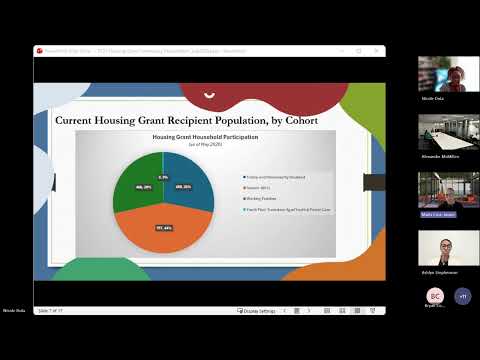
Maurice Cruz Jasper, the housing grant program manager, said the program’s base FY2027 budget is “approximately $17,700,000,” with an additional $1,300,000 to fund households within a board‑set cap. Staff told commissioners the board adopted a budgetary cap that will be managed as the program transitions to a closed wait list and to a new technology system.
Nicole (DHS staff) said the county plans to use its Yardi system to run an open enrollment and automated lottery for a final wait list of no more than 500 households. “We will be using our system of record called their name Yardi,” she said, and staff will retain up to 500 households from the lottery to work through as subsidies become available.
Staff described key administration details: the wait list will likely open for about 14 calendar days (staff and volunteers will provide technical assistance), applicants from anywhere may apply, applicants selected in the lottery will receive notices and be invited to an eligibility briefing, and households must meet existing categorical eligibility (working families with minor children, seniors 65+, totally and permanently disabled or other established categories).
On changes to eligibility and administrative regs, Nicole said admissions to the youth aging‑out pilot will end once the wait list is implemented and staff are proposing removal of the county‑supported behavioral‑health linkage from the disabled eligibility category. She described a proposed hardship reprieve that would give affected households an automatic 60‑day period to regain eligibility plus a possible 30‑day extension on request; recertification outreach will begin about 90 days before anniversary dates.
Commissioners and public commenters pressed staff on the human impact of the cap. The Chair said the changes were “very sad” and expressed disappointment with the board’s decision to add a cap, warning there would be people who “are going to suffer.” Staff responded that they do not have a precise projection of how many households will become homeless as a direct result but said the county will continue to point people to other resources, including flexible prevention funds, rapid rehousing, the permanent supportive housing program and other federal/state sources.
Nicole said administrative regulations, including any announced priority or preference populations, are pending county manager review and county attorney clearance; staff said the goal is to have the regs posted this month and to target October for the wait‑list implementation. Outreach materials, translations and technical assistance stations are in preparation and will be distributed to community partners.
Next steps: staff will finalize and publish the administrative regulations, complete the Yardi wait‑list configuration and share outreach materials ahead of the planned fall open enrollment.