Get Full Government Meeting Transcripts, Videos, & Alerts Forever!
Get email alerts on the Board Policy 2330 topic
No spam. Unsubscribe anytime.
Board debate on agenda-time limits stalls as proposed policy 2330 stays on the table
Summary
Bladen County Board debated proposed changes to policy 2330 that would limit board-member speaking time (including responses) to three minutes; after extended discussion and a procedural vote the motion to take the policy off the table failed in a 4–4 tie and the item remains tabled for further research.
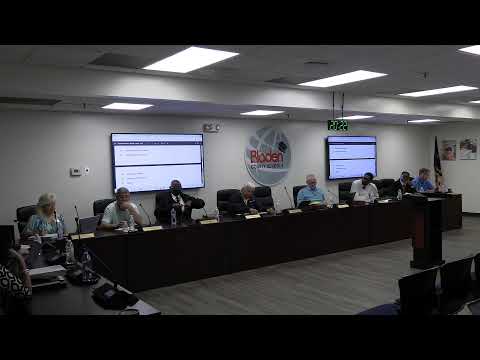
The Bladen County Board of Education on May 11 opened an extended debate about proposed changes to board policy 2330 that would add explicit limits on how long members can speak during a meeting.
The discussion, led during the action-items portion of the meeting, focused on proposed language that would require board members to review materials ahead of time, ask questions in advance when possible and limit each member to a maximum of three minutes per agenda item “to ask questions or provide feedback,” with the timer continuing while staff respond.
Board attorney Jason Webber cautioned members that the vote before them was procedural: the motion on the floor was to take the item off the table for discussion, not to adopt the revised language. “This motion, if it’s voted, you know, yes, majority say yes, that then just puts it on the table for further discussion and a motion to approve, motion to amend the language,” Webber said. He noted that modifications to default parliamentary rules are often placed in policy 2340 rather than in the agenda policy itself.
Several board members pushed back on a strict three-minute rule, saying it could be too constraining, especially when staff answers to a question require more time. One member argued for the option to recess and continue a long item at a subsequent session. Others said the policy needs more research and examples from similar districts before any change is made.
When the board voted on whether to take policy 2330 off the table for full consideration, the tally was a 4–4 tie, which meant the motion failed and the item remains on the table for further work. The superintendent said staff will continue researching regional examples and bring a more developed proposal to a future meeting.
The board’s next regular meeting in June was cited as the likely time to resume the discussion once staff has compiled comparative policies and suggested language.