Get Full Government Meeting Transcripts, Videos, & Alerts Forever!
Get email alerts on the Deed Money topic
No spam. Unsubscribe anytime.
New Prague EDA weighs using deed funds for business loans or reserving for industrial park
Summary
The New Prague Economic Development Authority debated whether to use roughly $1 million in deed funds for citywide business improvement loans and daycare support or hold the money for potential industrial‑park projects, and asked staff to return with concrete options after clarifying DEED eligibility.
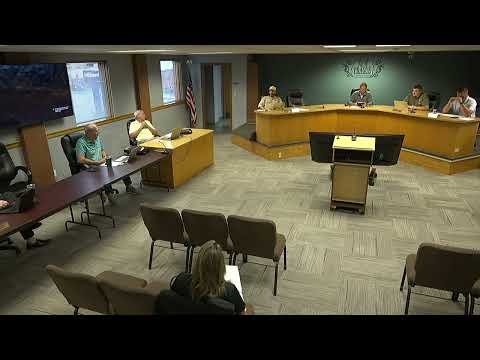
The New Prague Economic Development Authority spent its meeting debating how best to use roughly $1 million in deed funds — by launching a flexible, citywide business‑assistance program or conserving the dollars for industrial‑park projects.
Director Josh told the board that ‘‘providing funds for improvement of downtown businesses is something the EDA has done in the past’’ and suggested broadening that role beyond downtown to include business rehab, parking upgrades and even daycare assistance. He said staff can research models and return with a proposed program.
Board members recalled earlier facade and awning programs and discussed loan structures in which the EDA subsidizes interest rather than originating loans. One member noted prior programs produced only a few takers; another, identified in the meeting as a banker, urged staff to group similar needs before designing a loan product so that modest awards would be meaningful and administrable.
A central point of the discussion was the deed money’s restrictions. Josh said DEED initially approved funding for a stormwater pond but then set additional eligibility conditions; staff are pursuing meetings with higher‑level DEED staff to resolve outstanding questions. ‘‘It kind of feels like when you buy a used car,’’ he said, describing repeated back‑and‑forth with DEED staff and the need to speak with a decision‑maker.
Some members urged using the deed money now rather than returning it to the state; others warned that an industrial‑park project already under consideration could quickly absorb the balance. One board member said the EDA’s recent record on industrial parks — ‘‘we’ve done two industrial parks; here’s the jobs’’ — makes reserving funds for future industrial development defensible. Another argued the EDA should not be ‘‘performative’’ and should instead follow up on BR&E visits where businesses asked for low‑interest loans.
There was no formal vote on a new program. The board directed staff to research options, confirm what uses DEED will accept, and present a concrete proposal showing likely uptake and how a small pot of EDA funds could be administered alongside any deed‑restricted programs. The minutes also record that the group unanimously approved routine meeting minutes and payments earlier in the session.
What happens next: staff will report back after clarifying DEED eligibility and scoping potential program parameters so the board can weigh launch costs, likely demand and alternatives such as reserving funds for industrial land and infrastructure.