Get Full Government Meeting Transcripts, Videos, & Alerts Forever!
Get email alerts on the Public Safety Funding topic
No spam. Unsubscribe anytime.
Residents urge Lenoir City Council to revisit 9-1-1 funding after regional shortfall warning
Summary
During public comment on June 22, a resident with law-enforcement experience urged the council to re-examine the city's contribution to regional 9-1-1 operations amid reports of a funding shortfall; councilmembers referenced an existing interlocal agreement and past contributions.
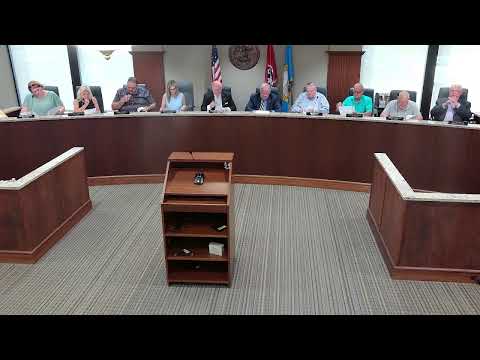
At the start of the June 22 meeting, a resident with 13 years of law-enforcement experience pressed the Lenoir City Council to bring 9-1-1 funding back onto the agenda, saying a potential cessation of services would be expensive and disruptive.
"Plan B is a whole lot more expensive than plan A," the resident said, urging the council to "examine it, give it the full credit that it's due because this is something that will affect all of our citizens if it is mishandled." The speaker asked the council to consider whether the city should continue direct contributions or seek alternatives.
Mayor and others responded by noting a prior interlocal agreement governing the 9-1-1 center and by recounting past contributions to regional efforts. The mayor said the city had previously provided a $10,000 contribution and argued that Lenoir City residents already pay for 9-1-1 through property taxes and cellular surcharges; other speakers pointed to larger, multi-jurisdictional contributions for a regional training center and to recent increases in contributions from neighboring governments.
Meeting remarks included several numerical claims about past and proposed contributions: the resident and others cited figures including $82,000 (annual local contribution), a city tax penny estimated to raise roughly $58,000, a county tax change described as raising about $430,000, and prior contributions noted as $250,000 from Loudoun City and $75,000 from the attorney general's office toward the regional training center. Speakers disagreed about which entities had been asked to provide additional funding and whether the 1988 resolution and subsequent agreement limited the council's options. The meeting record does not contain a staff analysis or a council directive to change funding allocations; the remarks in this meeting remained public comment and discussion.
Next steps: Council did not take a formal vote on 9-1-1 funding at this session. The mayor said staff and council members will continue to discuss the issue and that further review or a future agenda item could follow if council directs it.