Get Full Government Meeting Transcripts, Videos, & Alerts Forever!
Get email alerts on the Budget Adoption topic
No spam. Unsubscribe anytime.
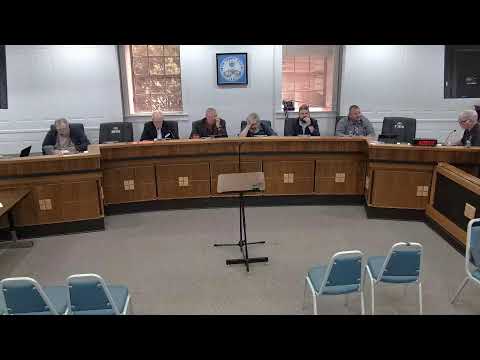
Smyth County adopts budget, approves 10‑cent real‑estate tax increase after lengthy debate
Summary
The Smyth County Board of Supervisors approved the county budget and a 10‑cent increase in the real‑estate tax rate (to $0.69 per $100) after extended discussion about sales ratios, reassessment effects, and the need to fund schools, pay raises and emergency services. The budget and related appropriations passed unanimously.
After extended discussion about sales ratios, reassessments and the county's fiscal pressures, the Smyth County Board of Supervisors voted unanimously to adopt the county budget and to raise the real‑estate tax rate by 10 cents (from $0.59 to $0.69 per $100 of assessed value).
County staff presented the proposed tax rates and explained the broader context: falling sales ratios mean the state calculates school funding from an adjusted "100% fair market value," and the county's assessed values lag current sales in some areas. Staff noted the proposed 10‑cent increase would fund schools, employee pay increases and rising fire/EMS costs and help meet carryover fund targets.
Supervisors questioned timing, distribution and the long‑term plan. One supervisor warned against sudden, large increases and favored gradual steps; another framed the increase as necessary given a shrinking taxpayer base and rising costs. Staff provided calculations showing an approximate household impact (for a $250,000 assessed home, roughly $200–$250 more per year) and outlined that, even with the increase, sewer operations remain behind and long‑term capital planning will be needed.
A motion to approve the tax‑rate resolution and adopt the budget carried unanimously. Staff told the board that a forthcoming state budget could require adjustments, so the board directed staff to prepare a revised budget if needed in July or August. The board also approved monthly appropriations as presented to carry operations through the end of July.
The board closed the business portion of the meeting and moved toward a closed session on economic development prospects.