Get Full Government Meeting Transcripts, Videos, & Alerts Forever!
Get email alerts on the Budget Process topic
No spam. Unsubscribe anytime.
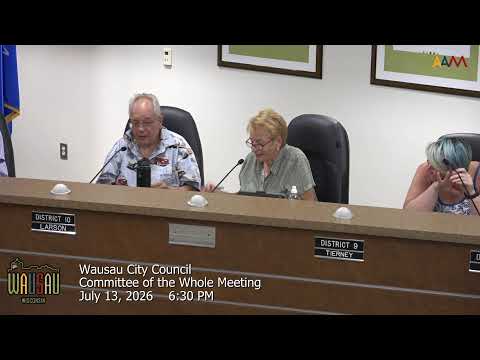
Alders seek earlier, more public budget process; finance director flags roughly $1M operating gap
Summary
Alders urged starting budget deliberations earlier in the year and asked finance to work with the mayor to create a more collaborative timeline; Finance Director Mary Anne presented estimates showing inflationary and contractual pressures leaving an approximate $1 million shortfall under current assumptions and outlined revenue options including vehicle registration fees and a stormwater utility.
Council members pushed for a clearer, earlier and more collaborative budget timeline and heard a finance briefing that identified revenue pressures and limited statutory options for raising local revenue.
Alders Watson and Lukens opened the session asking the council to start substantive budget discussions earlier in the year—April or May—so incoming members have time to engage and staff can respond to questions before the fall crunch. Watson said more public deliberation would also make it easier to explain trade‑offs to residents rather than presenting a large book of numbers in October.
Mary Anne, the finance director (identified in the meeting), presented a fiscal snapshot that itemized wage and benefit pressures, contract costs and deferred‑maintenance needs. She said the city faces roughly $3.4 million in increased needs under current assumptions while anticipated levy capacity and other near‑term revenues produce roughly $2.4 million, leaving about a $1.0 million operating shortfall if no new revenue sources are adopted.
Revenue options discussed: Mary Anne listed several statutory options that other Wisconsin communities use, each with trade‑offs: - Vehicle registration fee (state‑administered; examples cited were ~$25 average producing material transportation revenue). - Stormwater utility (user‑fee model tied to impervious area, requires a levy offset to 2013 levels and would provide incremental dedicated funds for stormwater projects). - Refuse/recycling fees or dedicated utility charges. She cautioned that statutory limits and timing (state/federal aid arrives late in the year) constrain how quickly some options can affect a budget.
Council debate and equity concerns: Members raised equity and regressivity concerns (stormwater, wheel taxes, and some fees have regressive impacts), asked for comparative research about other municipalities’ fiscal choices, and urged greater transparency about the assumptions behind numbers. Several alders said that long‑deferred capital needs—especially the motor pool (Mary Anne estimated an ongoing underfunding of about $1.5 million per year)—must be factored into any conversations about shifting priorities.
Motion and next steps: Alder Watson moved and Alder Lukens seconded a referral to the finance committee to work with the finance director and mayor to flesh out an earlier budget timeline and process, including public engagement; the motion passed with no recorded opposition. Finance will prepare a timeline and options for council consideration ahead of the fall budget process.
Why it matters: The briefing frames hard choices for the coming budget cycle—balancing statutory constraints, residents’ affordability concerns and deferred capital needs—and starts a multi‑month effort to surface trade‑offs and revenue options to the public before formal adoption steps later in the year.