Get Full Government Meeting Transcripts, Videos, & Alerts Forever!
Get email alerts on the Stormwater Management topic
No spam. Unsubscribe anytime.
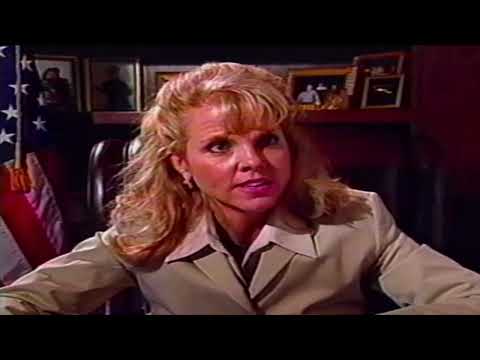
Larry Richard outlines 3 Rivers program to curb sewage overflows in Allegheny County
Summary
A public information video from Allegheny County presenter Larry Richard explains how combined sewers, illegal stormwater connections and cracked pipes cause wet-weather sewage overflows, and introduces the federally and locally funded 3 Rivers wet weather demonstration program and its 9 Mile Run pilot as an 8–10 year effort to test fixes and provide grants.
Larry Richard, a presenter in a public information video, described wet-weather sewage overflows as a continuing threat to waterways across Allegheny County and introduced the 3 Rivers wet weather demonstration program as a regional response.
The video explains that overflows can occur when heavy rain or rapid snowmelt overwhelms collection systems. "If not handled properly, these overflows can result in fines from the Environmental Protection Agency to local communities," Richard said, framing the problem in regulatory as well as environmental terms.
Why it matters: Overflows mix stormwater and sewage or allow untreated discharges into streams, which can increase bacterial and viral contamination and harm aquatic life. A presenter in the video warned that when treatment plants are inundated, they cannot fully process the increased load, which also risks contamination of surface-water sources used for drinking-water treatment.
What causes it: The video distinguishes two system types: older "combined" systems that carry stormwater and sewage in one set of pipes, and newer "separate" systems that carry stormwater in a different set of pipes. It notes that illegal connections (inflow) — such as roof, driveway or foundation drains tied into sewer lines — and infiltration through cracked or deteriorated pipes allow excess water into systems and are responsible for a large share of overflows.
Program response: The 3 Rivers wet weather demonstration program, described in the video as an 8–10 year initiative funded by federal, state and local resources, aims to help municipalities by funding infrastructure demonstrations, sharing performance data for innovative technologies, providing technical workshops and administering grants for cost-effective fixes. "Communities that cooperate together will share in the benefits of this program," a program presenter said.
Pilot site and partners: The program’s first demonstration project is underway in the 9 Mile Run watershed east of Pittsburgh. The video lists partners including the U.S. Environmental Protection Agency, the U.S. Army Corps of Engineers, state environmental agencies and local institutions such as Carnegie Mellon University, Penn State and the Carnegie Museum of Natural History, which are helping with assessments and restoration planning.
Costs and maintenance: The video emphasizes preventive maintenance as more cost-effective than deferred repairs. It gives a cost example — roughly $2 million to replace about 8,000 feet of line in a large-scale replacement scenario — to illustrate how earlier maintenance could reduce long-term expense.
What residents can do: Richard urged homeowners and residents to eliminate illegal stormwater connections, conserve water, support local watershed protection groups, participate in anti-litter programs and encourage their community leaders to engage with the 3 Rivers program.
The video closed with a practical reminder from Richard: "When it rains, it drains."