Get Full Government Meeting Transcripts, Videos, & Alerts Forever!
Get email alerts on the Land Use Lots topic
No spam. Unsubscribe anytime.
Commission approves sale of two Heritage Heights lots after debate over water, sewer and assessments
Summary
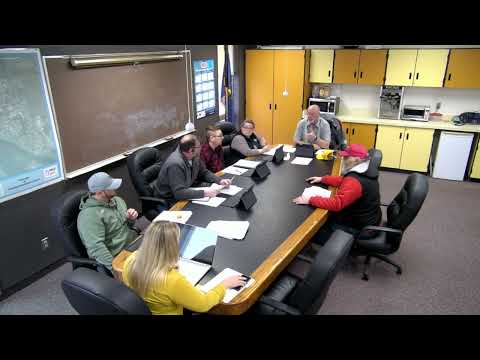
The Washburn City Commission approved the sale of two city-owned lots in Heritage Heights to applicant Jericho Swanson after extended discussion over water and sewer hookups, potential special assessments and whether the city should seek contractor/engineer cost estimates before developing the larger nine-lot area.
Jericho Swanson, a Washburn resident and sheriff’s office employee, won commission approval to purchase two city-owned lots in Heritage Heights after a lengthy exchange about infrastructure costs and development strategy.
Swanson told the commission he wants to build quickly and would use local contractors and city-recommended engineers. Members raised questions about whether public utilities—water and sewer—have stub-outs at the lots and who would be responsible for extending service. Staff said the lots currently lack full hookups; if a buyer builds they would be responsible for connecting to the system unless the city elects to include the parcels in a broader municipal project.
Commissioners and staff discussed options: requiring the buyer to pay for private service lines to an existing stub, treating water and sewer extensions as part of an add-on to an impending street-and-drainage contract, or obtaining a contractor quote/engineer estimate and then selling lots at a price reflecting the cost of making utilities available. One commissioner suggested dividing the total cost of extending sewer and water across all nine nearby lots to keep pricing equitable; another warned that developing now could leave the city carrying un-sold inventory if market interest is insufficient.
Public commenter Mike Heard urged caution, saying some lots are assessed at $1,900 on tax rolls but have no utilities and that selling without accounting for required expenses could unfairly shift costs to neighbors. Staff and commissioners said the typical practice is that utilities and associated engineering must meet city standards and, where stub-outs exist, buyers may be able to connect without full city engineering—but that exact outcomes depend on what shows up on a camera inspection or an engineering review.
After discussion the commission moved to accept Swanson’s offer for the two lots. Commissioners asked staff to follow up with Chelsea and the city engineer to confirm stub-outs, obtain cost estimates or an engineering quote if needed, and clarify how any future special assessments would be apportioned. The motion passed and staff will contact Swanson to complete the sale paperwork and coordinate next steps.
The decision came with a direction to return cost estimates or an engineering quote to the commission before any larger project that would extend utilities to additional lots is finalized, and commissioners signaled they prefer a transparent process that avoids one buyer receiving an unshared benefit should broader development proceed.