Get Full Government Meeting Transcripts, Videos, & Alerts Forever!
Get email alerts on the Buffer Yard Amendment topic
No spam. Unsubscribe anytime.
Residents urge expanded green buffer protections as council refers amendment to committee
Summary
Dozens of residents testified in favor of a green buffer-yard zoning amendment that would extend protections to semi-detached and attached dwellings; council voted to refer the proposal to the Community Development Committee for detailed review and planning commission comment.
A broad group of Bethlehem residents urged the City Council to adopt an expanded green buffer-yard amendment aimed at preserving neighborhood trees, reducing urban heat and runoff, and protecting quality of life.
Multiple speakers during the public comment period — including longtime residents and health professionals — said extending buffer-yard protections to twin homes, rowhouses and other attached dwellings would promote environmental equity across neighborhoods where lower-income and minority residents disproportionately live. Deborah Condon, a 19-year Bethlehem resident, said the amendment would provide the same environmental protections for working-class neighborhoods that detached-home neighborhoods already receive.
Dr. Michael Pipestone, a physician, framed green space as a public-health intervention, citing reduced urban heat and lower particulate pollution as measurable benefits that can reduce emergency-room visits and asthma rates. Several residents described how past rezonings, variances and developer-driven conversions have changed neighborhood character and increased density, saying that a buffer requirement would provide stability.
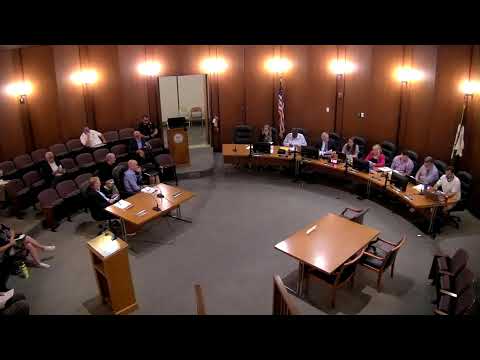
During new business, Councilwoman Josie Daniels’ proposed amendment (read into communications earlier as 6r) was moved and seconded for committee review. Council members discussed which advisory bodies should weigh in; the council clarified the Community Development Committee will host the committee meeting and that planning commissions will have the standard 30-day comment window if the text is revised. The referral motion passed on a roll-call vote, 6–0.
The council president said the committee process will follow the usual path: committee discussion, potential tweaks, then additional public hearing before any full-council vote.