Get Full Government Meeting Transcripts, Videos, & Alerts Forever!
Get email alerts on the Strait Of Hormuz topic
No spam. Unsubscribe anytime.
Energy secretary: U.S. will control Strait of Hormuz, details of new 20% cargo fee remain unclear
Summary
In an interview, U.S. Energy Secretary Chris Wright said the U.S. aims to control shipping through the Strait of Hormuz and described a newly announced 20% fee on cargo from which Iran would be excluded, but he acknowledged key collection and valuation questions remain unanswered.
US Energy Secretary Chris Wright said the administration intends for U.S. forces to control traffic through the Strait of Hormuz and that a recently announced 20% fee on cargo transiting the waterway would be applied in a way that excludes Iranian shipments.
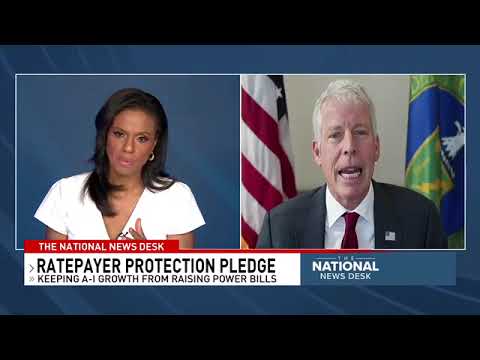
"Iran is the problem," Wright said in a televised interview, arguing the U.S. goal is to "allow energy to flow from all of the nations ... except Iran." He added that officials are still working out how compensation or collection of the 20% fee would function and that listeners should expect more details soon.
The morning's host raised specific questions about how the fee would be assessed: whether it would be based on cargo value, market value or another metric, and who would collect it. Wright responded that an "active dialogue" is under way and suggested the mechanism could differ from the original idea, framing the measure as one that could also drive U.S. investment and jobs if structured differently.
Wright characterized the fee as part of a broader strategic approach tied to U.S. control of the strait and said further announcements on the mechanism and beneficiaries may follow. The interview did not include operational details about collection authorities, legal basis for the fee, or an implementation timetable.
The exchange left several practical questions unresolved: who would have legal authority to levy or collect the charge, how the fee would be calculated, and what international or commercial enforcement mechanisms would be used. The administration's future statements or formal policy documents are likely to be the next place to look for those specifics.