Get Full Government Meeting Transcripts, Videos, & Alerts Forever!
Get email alerts on the Public Participation topic
No spam. Unsubscribe anytime.
Old Bridge board weighs shortening public-comment time, residents push to keep five minutes
Summary
The Old Bridge Board of Education discussed a proposed change to policy 0167 that would reduce public-comment time to three minutes per speaker; correspondences and residents urged preserving a five-minute period and board members said committee meetings and policy suspension remain options for longer input.
The Old Bridge Township Board of Education spent substantial time on June 10 debating proposed changes to policy 0167, which would set a three‑minute speaking limit for each public-comment appearance.
Two written correspondences were read into the record opposing the change. "The continued erosion of public participation is unacceptable," read a letter from Andrew Lewis, identified in the agenda as president of the Old Bridge Education Association. Another letter from Kelly Ellis Foster, identified as an Old Bridge resident, urged the board to "preserve the 5 minutes for public comment," saying a three‑minute cap "undermines the principles of transparency, accountability, and representative governance." These letters were read aloud by the board secretary as part of the official correspondence.
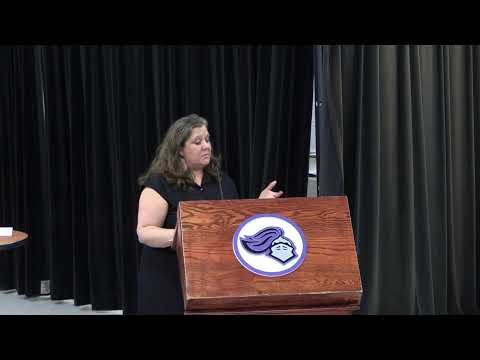
At the public microphone, Mariah Kamal Wicks asked whether the three minutes would be an aggregate limit or applied per speaker and sought clarity on public involvement in the district's pending superintendent search. Board members answered that the policy as proposed provides "three minutes anytime everybody gets to the microphone" in each public‑comment period (front and rear), not a single aggregate allotment, and that larger subjects such as a superintendent search will include separate stakeholder meetings with extended participation opportunities.
Several board members defended the proposal as a way to allow more speakers to be heard during long meetings. One member said a shorter time could encourage broader participation by moving the agenda more quickly; another said the board retains the discretion to suspend the three‑minute limit for meetings deemed to require longer testimony.
The board did not adopt the change at the June 10 meeting; members said the policy will be considered further and that committee meetings and future stakeholder sessions will be used to collect more public input on major matters.
The board noted it will continue to allow flexibility for particular meetings: "If you've got 150 people at the microphone, you might make a different decision," a member told the public.
Next steps: the policy remained under consideration with at least two weeks for members and the public to comment; the board reiterated that it can suspend the time limit in specific circumstances.