Get Full Government Meeting Transcripts, Videos, & Alerts Forever!
Get email alerts on the Housing Infill topic
No spam. Unsubscribe anytime.
City presents 2026 Infill Planning and Development Guide to steer housing toward vacant and underused sites
Summary
City planning staff introduced a 2026 Infill Planning and Development Guide that inventories 50 strategic opportunity sites (more than 1,000 acres) and aims to help Rockford produce roughly 6,009 additional housing units by 2035; staff said the guide is a marketing and implementation tool, not a list of approved projects.
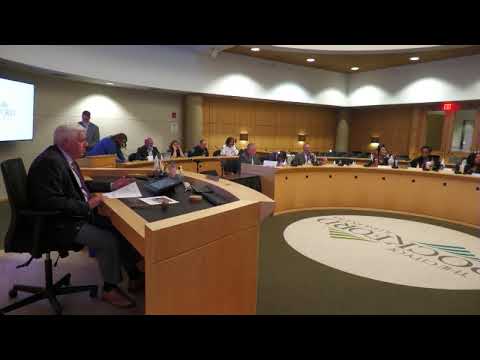
City planning staff presented the 2026 Infill Planning and Development Guide to the Planning and Development Committee on July 13, describing it as an information-only tool to identify vacant and underused sites across Rockford that are ready for housing development.
The planner presenting the guide said the document is not a capital improvement plan or approval of specific projects but “a planning tool that identifies where future housing opportunities may exist,” noting the team identified 50 strategic development areas representing more than 1,000 acres and supporting housing types from single-family to mixed-use. The presentation cited the city’s adopted housing strategy goal of about 6,009 additional units by 2035 and framed infill as a way to leverage existing infrastructure and strengthen neighborhoods.
Why it matters: planners and council members said infill can be more efficient than outward growth because it uses streets, utilities and public services already in place and can spur neighborhood reinvestment. Staff emphasized the guide is intended for marketing to developers and for internal coordination — it includes a site index and one‑page marketing sheets to accelerate developer outreach and reduce time spent vetting utility or zoning questions.
Council members pressed staff for ward-level detail, West Side vs. East Side balance, and whether tiny homes would be permitted. Staff responded that the guide includes detailed site profiles (acreage, ownership, infrastructure) and that while the snapshot shown in committee did not break down every ward on-screen, the full plan and a corresponding site index list those details and are available by email. On tiny homes, staff noted the city regulates building codes and setbacks rather than minimum square footage, meaning a tiny home that meets code and setbacks could be permitted on single-family lots.
Staff also described implementation tools connected to the guide: an infill overlay district expected to be proposed to the zoning board, programs to reduce upfront regulatory costs (including architectural toolkits and direct infill development programs), and ongoing marketing outreach to regional builders, the Home Builders Association and Realtors. The presenter said staff will actively promote high-readiness sites, coordinate infrastructure improvements where appropriate, provide early development assistance and update the inventory regularly.
What’s next: staff said text amendments for an infill overlay district were expected to go to the zoning board soon and that the full 174-page plan and its site index were circulated to council by email for review. Committee members asked staff to include smaller scattered lots in the inventory and to make ward-specific data easier to access for aldermen. Staff offered to meet with aldermen about ward-level sites and to add or refine sites based on council input.
Attribution: statements and direct quotations in this article come from the transcripted remarks of city planning staff (presenter) and Director Lise, plus questions from Alderwoman Terina and other aldermen during the July 13 Planning and Development Committee meeting.
Ending: The committee received the guide as an information item; no formal vote was necessary. Staff characterized the guide as a “living document” and said they will continue outreach and bring zoning text amendments and program details back to council and committees as implementation work proceeds.