Get email alerts on the Consumer Protection topic
No spam. Unsubscribe anytime.
PG&E warns Monterey County customers about new disconnection scam using QR codes
Summary
PG&E operations communications representative Jason King warned Monterey County residents about a scam that threatens immediate service disconnection, sends QR/barcodes to be paid at retail locations and converts payments into prepaid debit funds scammers immediately take; 61 incidents were reported locally through May.
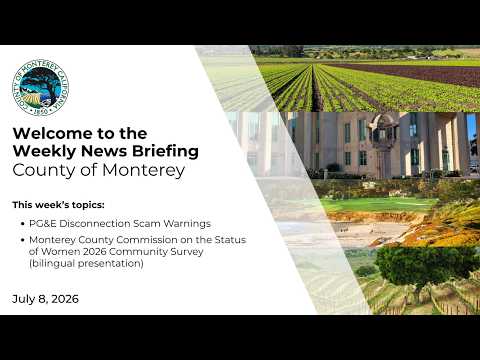
Jason King, operations communications with PG&E, told a Monterey County news briefing that scammers are calling customers, threatening immediate disconnection and directing them to pay via barcodes or QR codes presented at retail outlets.
"PG and E won't call you and threaten immediate disconnection if you don't make immediate payment," King said, adding that when victims present the barcode at stores such as Walmart or 7-Eleven the payment is converted into a prepaid debit mechanism scammers can empty immediately.
King said the utility has recorded 61 incidents in Monterey County through the end of May and that customers across PG&E's service area have lost more than $200,000 to related scams this year. He said scammers typically ask for specific payment methods such as money transfers, Zelle, or Green Dot prepaid cards and then send a barcode or QR code by text or email to complete the theft.
King urged customers to hang up on any call that threatens immediate disconnection and to verify billing by calling PG&E's official customer service line or by logging in at pge.com/myaccount. He repeated that PG&E will not request payment via specific retail-prepaid cards, Zelle, Venmo or barcodes.
A host question highlighted how scammers use urgency to prompt payment; King recommended people "take a deep breath" and verify the caller by returning the call to official PG&E channels or checking account details online.
King said PG&E runs quarterly education campaigns to warn customers about new scams and recommended that customers create an online account, enable recurring payments where desired and store payment methods in the My Account portal to reduce exposure.
The utility encouraged anyone who receives a threatening call to hang up and confirm their account status through pge.com or PG&E customer service rather than following caller instructions.
AI generated
The text on this page is AI generated. Summaries, highlights, analysis, and video transcripts are all produced from the original source material.
AI can make mistakes, so if you spot one, and we will fix it for everyone.
Note: the source content is unaltered by us. Any content source we link to, be it a video, an audio recording, or a document, is presented exactly as its publisher released it. That publisher is usually a government body, sometimes an individual official or another organisation.