Get Full Government Meeting Transcripts, Videos, & Alerts Forever!
Get email alerts on the Housing Safety topic
No spam. Unsubscribe anytime.
Granby hearing backs using CDBG funds to upgrade Stony Hill Village fire alarms
Summary
At a July 6 public hearing, residents and nonprofit leaders urged Granby selectmen to reprogram Community Development Block Grant program income to fund a new fire alarm system at Stony Hill Village, citing frequent false alarms and safety risks for elderly tenants; staff said the town will seek HUD approval and the matter will return as a resolution.
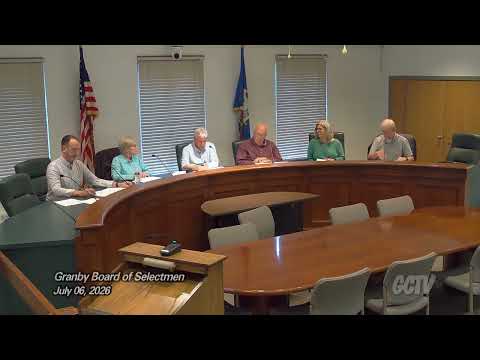
Granby — Town officials and residents on July 6 endorsed using Community Development Block Grant (CDBG) program income to replace an antiquated fire alarm system at Stony Hill Village, a USDA-subsidized housing complex for low-income seniors.
At a public hearing, Kim, a selectwoman and president of Granby Homes for Senior Citizens, said the current system still runs on a landline and produces frequent false alarms that traumatize residents and drain emergency responders. "With the reprogramming of this money, we will be able to upgrade the fire alarm system to significantly reduce those false alarms," she said, adding she will recuse herself when the board votes.
The town heard similar testimony from tenants and advocates. Helen Frey, treasurer of Granby Homes for Senior Citizens, described the project as "a safety issue for our residents," saying the nonprofit has exhausted fundraising on other needs. A tenant association representative said repeated false alarms left residents shaken: "It is very, very traumatic to have the false alarms go off as repeatedly as they do." Jean Donahue Perron, chair of the Commission on Aging, urged the upgrade, saying modern systems allow earlier detection and features that help visually or mobility-impaired residents get out more safely.
Town staff explained how the money would be used and the approval process. Mike Walsh said the program income is a recycled CDBG loan pool that the town has collected over time; "we're approaching 400,000 in this fund," he told the board. Abby Kenyon clarified the plan: this would be a grant and "these funds will not be repaid back into the loan." Walsh and Kenyon said the project will require public bidding and that unused funds would be returned to the town if bids come in below the estimate.
The hearing closed with the chair saying a draft resolution is in the meeting backup and will appear on the board’s next agenda for formal consideration. The board did not vote on the award at the hearing; officials said they will prepare the resolution, follow HUD guidance on reprogramming the CDBG funds and present the item for a vote at a future meeting.
The next procedural step is the board’s formal vote on a resolution to reprogram the funds; staff said they will assemble a bid package and consult HUD to confirm the grant structure and compliance requirements.