Get Full Government Meeting Transcripts, Videos, & Alerts Forever!
Get email alerts on the Return To Local Control topic
No spam. Unsubscribe anytime.
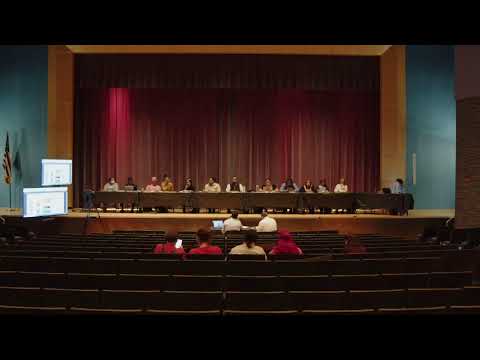
Board pauses recusal language in city's return-to-local-control timeline, votes to review updated draft
Summary
Legal counsel advised the board that a draft provision requiring full recusal when donors or appointing authorities are involved could conflict with state ethics law; the board voted to send an updated timeline for review at the next meeting and to replace commercial wording with "community."
The Providence School Board voted to send an updated implementation timeline back for review after legal counsel raised concerns that a proposed mandate requiring board members to "fully recuse themselves from matters involving individuals or organizations who made campaign contributions to them or who appointed them" might conflict with state ethics rules.
Sarah Rappaport, the board's legal counsel, told members the specific recusal language "would be prudent to... ensure that this mandate aligns with the state ethics code," and cautioned that a sweeping rule could be difficult to implement in practice. "The ethics commission interpretation of the code would not, in my view, align with this very sweeping language," she said.
Dr. Williamson moved to amend the board's implementation timeline to replace the word "customer" with "community" in multiple places and to remove only the recusal bullet pending legal review. The motion received discussion from multiple board members who stressed the need for collaborative design and community input before any transfer of authority takes effect.
Board members discussed timing and structure of the mayor's report, with Chairman Jones and Chairwoman Hughes urging that any return-to-local-control plan include measurable targets and substantial community engagement. After debate the board approved a motion to review the updated timeline at the next meeting; the motion passed by voice vote.
The action means the board will receive and consider a revised draft that omits the contested recusal sentence while preserving other language on ethics and governance; legal counsel will draft language the board said should be consistent with state law before a future vote.
The board did not adopt permanent recusal rules at the meeting; members declined to finalize the contested bullet without counsel's recommended language.