Get Full Government Meeting Transcripts, Videos, & Alerts Forever!
Get email alerts on the School Meals topic
No spam. Unsubscribe anytime.
Providence health committee hears Sodexo27s meal report, local sourcing and composting results
Summary
At an informational March 3 Health & Wellness Committee meeting, board members heard Sodexo27s midyear meal report showing about 11,000 breakfasts and 12,000 lunches per day through December, discussed barriers to student meal participation, reviewed a 600-backpack weekend food program and learned that district composting has diverted roughly 200 tons from landfills.
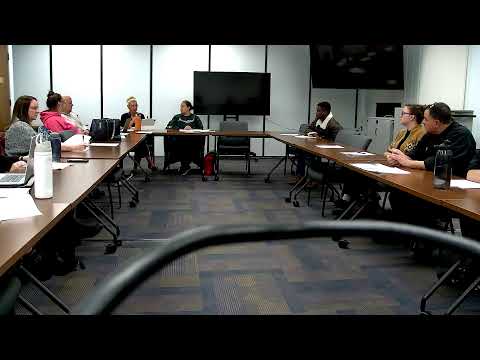
Tyra Stevens, president of the Providence School Board, opened the March 3 Health & Wellness Committee meeting and framed the session as informational, introducing Jenny McCarter as the committee27s new chair.
The committee then heard a midyear presentation from the district27s food service partner. Robert Rusco, culinary director for the Providence schools27 Sodexo contract, said the presentation covered meals per day through December and the district27s efforts to boost participation. "That's our goal to feed students," Rusco said, describing initiatives such as entryway "Rise and Shine" coolers, classroom breakfasts for elementary schools and a MealViewer website that publishes each school27s menu and nutritionals for nurses and families to review.
Why it matters: School-meal participation affects day-to-day student nutrition and is tied to broader food-security efforts. Committee members noted the budgetary and public-health stakes of improving participation and capturing accurate data on who eats at school.
Sodexo and district staff also described student-facing tasting events that aim to expand acceptance of local produce. Rusco and his team recounted Apple Crunch and Carrot Crunch events, followed by a planned March "Mushroom Madness" tasting. "We tried... serving roasted carrots and different varietals so children could taste," Rusco said, noting repeated exposure increases uptake.
The committee discussed barriers to meal participation after presentations showed district enrollment of roughly 20,000 students and, through December, meal counts approaching 11,000 breakfasts and 12,000 lunches per day. Board President Tyra Stevens asked why the numbers lag. Grace, the district27s student-engagement lead for nutrition and composting, said timing and student choice are major factors: many older students arrive late, some bring packed lunches, and high-school students sometimes order food off their phones. "Breakfast is a little bit harder with just how many students are coming in at different times during the day," Grace said, defending the trial of coolers and carts to capture students as they enter school.
Committee members also reviewed a backpack program that assembles donated, shelf-stable food and toiletries for students to take home on Thursdays to cover weekend meals; staff said about 600 backpacks are packed for the first half of the year and distribution is coordinated through school nurses or social workers.
Sustainability was another theme. Grace and partners described Bootstrap Compost and the Rhode Island School Recycling Project27s in-school sorting stations. The presenters said Bootstrap began service in Providence on 2022-11-02 and has completed roughly 2,500 stops in the district; the program reported composting approximately 200 tons of food waste instead of sending it to the landfill. "Bootstrap last year sent finished compost back to the schools to be able to put into their raised beds," Grace said, noting the environmental and instructional benefits of on-site composting.
What the committee asked staff to do next: members requested further student surveys and taste-testing data to pinpoint which menu changes increase participation, and they asked staff to explore outreach options (principal and guidance meetings, social-media pushes and partner channels) to boost both meal uptake and event attendance. Sodexo staff said they will follow up on the items raised and that nurses have access to the MealViewer nutrition information for students with allergies or dietary restrictions.
The committee did not take formal action at the meeting; the presentation was informational and discussion-focused.