Get Full Government Meeting Transcripts, Videos, & Alerts Forever!
Get email alerts on the Attendance Policy topic
No spam. Unsubscribe anytime.
Assembly advances discussion to tighten allowable absences, members urge better remote participation
Summary
Assemblymember Whiteside proposed lowering allowable assembly absences from 50% to 25% (including work sessions and special meetings). Members generally supported stricter attendance but several urged expanding and clarifying remote participation rules and medical/family‑leave language before finalizing the code change.
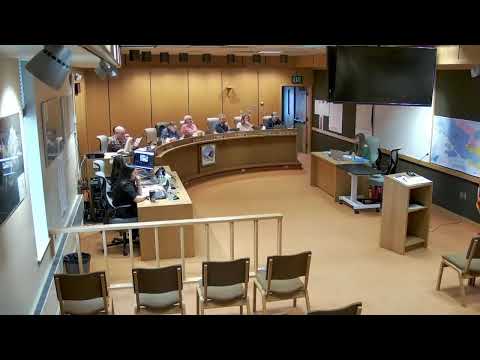
Assemblymember Whiteside reintroduced a proposed code amendment on July 9 to reduce the number of allowable absences for assembly members from 50 percent of meetings to 25 percent and to make that threshold apply to regular meetings, special meetings and work sessions.
Whiteside framed the change as a way to make the time commitment of running for office clearer to candidates and to ensure more consistent participation. “When I first joined the assembly… we can miss up to 50% of regular meetings,” he said, arguing that the assembly should require a greater in‑person or remote commitment.
The proposal prompted a robust debate about access to electronic participation for village residents. Assemblymember Woods said limited electronic participation allowances make the change unfair to members living in villages: “It essentially makes it functionally impossible for those people to participate in this body,” he said, urging the assembly to expand remote‑participation rules before enforcing a stricter attendance limit.
Members also discussed qualifying grounds for excused absences (medical, bereavement, borough business) and asked staff to refine language to avoid treating pregnancy as an illness while keeping the clause broad enough to cover necessary family care. Member Roberts requested more frequent attendance printouts if the threshold is lowered so members can monitor compliance.
The assembly did not adopt the ordinance at the work session but directed staff and sponsors to refine the wording—particularly line 42 about medical/family leave—and signaled interest in pursuing a separate ordinance to expand electronic participation rules.
Next step: the attendance-change ordinance will be revised for clearer medical/excusal language and reintroduced for further consideration; parallel work on remote participation rules was suggested but would proceed through a separate ordinance.