Get Full Government Meeting Transcripts, Videos, & Alerts Forever!
Get email alerts on the Seawall Maintenance topic
No spam. Unsubscribe anytime.
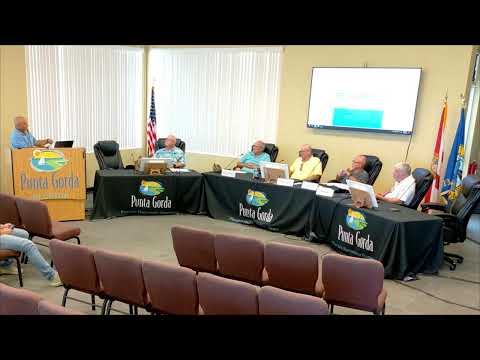
Bernstor Isle panel recommends against commissioning new seawall study, urges moving funds to repairs
Summary
The Bernstor Isle Canal Advisory Committee reviewed recent seawall assessments and revenue reports, recommended the existing Taylor materials study remains sufficient and voted to prioritize repair and replacement work rather than funding another study. Staff provided linear-foot progress figures, project updates and next steps for permitting and invoicing.
The Bernstor Isle Canal Advisory Committee recommended on a voice vote that the existing Taylor seawall materials study is adequate and that the committee should not commission another comprehensive study, instead directing attention and available funds to ongoing repair and replacement work. A committee member moved the recommendation and the Chair seconded; the motion passed by voice vote with no opposition recorded.
Mark Storm, Canal Maintenance, Public Works, told members the department’s revenue picture is healthy for current operations and that the Bernstor Isle (BSI) seawall project has begun work at multiple sites, including San Massimo and Valletta, with Panera to follow. “We had 3,500 linear feet that got done since 2020,” Storm said. He also said about 1,100 linear feet is recorded this year (carried over from last year) and that the committee’s current funding and schedule would leave the program roughly 46 years from replacing all walls at the present pace; the committee’s goal had been a 20-year pace.
Committee members pressed staff on procurement and invoicing timing; Storm said contractor invoices for recently started seawall work have not yet been submitted and are expected to appear on the next monthly statements. He also described a recent total wall collapse at a Panera site attributed to berm saturation and a bottom “kick out,” and explained panels are typically 12.5 feet with about 40% of the panel buried below grade.
Members discussed materials. Storm reviewed the Taylor study’s comparison of nine materials and said concrete was selected as the preferred material in that analysis; members cited cost, longevity, permitting and aesthetics in supporting that recommendation. One member raised environmental concerns about vinyl panels, saying they can reduce oyster habitat: “From an environmental standpoint, you can't grow oysters on the vinyl,” a speaker said during discussion. The committee concluded the existing study’s engineering and cost comparisons were more than adequate for current planning needs.
Votes at a glance: - Approval of previous meeting minutes — motion moved and seconded; approved by voice vote; no opposing votes recorded. - Recommendation not to perform a new seawall materials study — mover: committee member (name not specified in transcript); second: Chair (name not specified); passed by voice vote with no opposing votes recorded.
What’s next: staff will confirm whether the pending land-acquisition budget amendment was acted on by the city council, provide invoices and photos as contractor billing arrives, and return with an updated seawall invoice and project status at the next meeting. The committee also advised retaining special-assessment funds for seawall replacement rather than spending them on a new study.
Attributions: Quotes and specific technical details are from Mark Storm, Canal Maintenance, Public Works; motions and votes are recorded by the committee during the meeting. Several committee members (identified in the transcript only by speaker role) took part in the materials discussion and the voice vote to recommend no new study.