Get Full Government Meeting Transcripts, Videos, & Alerts Forever!
Get email alerts on the Water Rates topic
No spam. Unsubscribe anytime.
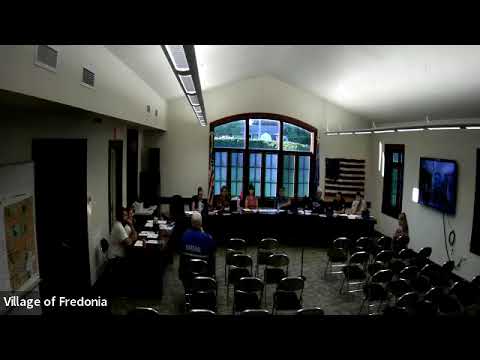
Fredonia board approves 3% simplified water rate increase for 2026
Summary
The Fredonia Village Board voted to adopt a 3% simplified water rate increase, effective Jan. 1, 2026, following Administrator Jenkins’ explanation of the Public Service Commission’s simplified procedure and a trustee motion backed by a voice vote.
The Fredonia Village Board voted to approve a 3% simplified water rate increase that will take effect Jan. 1, 2026.
Administrator Jenkins told the board the Public Service Commission (PSC) permits annual simplified increases based on submitted numbers and inflation, and that Fredonia qualified this year for a 3% rise. “This year, you—'re allowed to increase by this amount…this year, we—'re qualified and allowed to increase at 3%,” Jenkins said, explaining that the change slightly raises the base meter fee and adjusts the volumetric charge to keep pace with costs.
Why it matters: Jenkins said the simplified increase is intended to keep utility revenues aligned with inflation and operational needs so the village does not face a large, sudden hike later. Trustees discussed the limits of utility funds, noting that water and sewer utilities must be self-supporting and cannot commingle with general-fund revenues.
Board action and next steps: A trustee moved and a second was heard; the board approved the motion by voice vote. The president declared, “The ayes have it.” The village will file the simplified rate application with the PSC and implement the new rates beginning Jan. 1, 2026.
Budget context: Jenkins noted the increase would produce a modest revenue boost intended to shore up reserves for capital needs, while trustees stressed the need to plan for larger future projects—such as tower work—that could require multi-year savings or borrowing.