Get Full Government Meeting Transcripts, Videos, & Alerts Forever!
Get email alerts on the Award Creation topic
No spam. Unsubscribe anytime.
Norwalk Bike Walk Commission creates annual mobility award after discussion over name, eligibility
Summary
The Norwalk Bike Walk Commission voted to create an annual mobility award (working name discussed as “Norwaukie”/Complete Streets Champion), debated whether city staff should be eligible, and agreed to open a public nomination process; initial nominees were suggested but no final recipient was chosen.
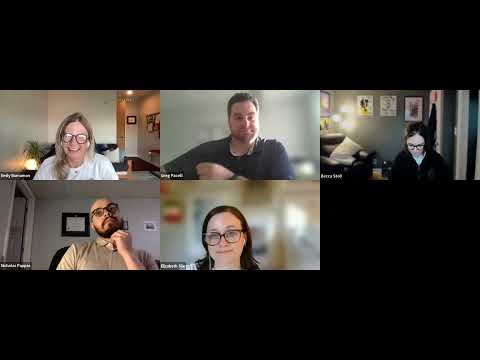
The Norwalk Bike Walk Commission voted on July 13 to establish an annual award to recognize individuals who advance walking, biking and equitable street design in the city. Chair Emily Burnaman proposed a “Complete Streets Champion” award and commissioners debated name options, eligibility and the nomination process before approving the award’s creation.
The commission discussed whether the award should exclude city staff and whether the name 'Complete Streets Champion' would confuse members of the public. Commissioners offered alternatives such as a lighter name (“Norwaukie”/“Norwalkie”), a more general title (e.g., “Bike Walk Champion”) or a two‑track award (one honoree from government and one from the community) to avoid the appearance of 'cheerleading' city staff. Commissioner Manny moved to establish the award as an annual commission program and the motion passed (vote recorded by the commission: four in favor, one abstention).
Emily Burnaman also proposed an inaugural recipient and put forward Jim Travers of the Department of Transportation, Mobility and Parking; Commissioner Becca Stoll nominated Tanner Thompson as another candidate. Commissioners did not finalize a winner at the meeting. Instead they agreed to create a public nomination form and selection process: commissioners will draft the nomination form, allow public submissions for a period, vet nominees against stated criteria and vote at a future meeting.
Several commissioners urged transparency to avoid poor public optics. Commissioner Manny suggested issuing an honorable mention or awarding two recipients the first year (one staff and one community member) to make the program feel inclusive; others preferred a single award but with a clear public nomination that the commission would vet.
The chair said staff will circulate the award document and accept edits before the next meeting; the commission agreed to continue the discussion and return with a nomination form and clearer schedule for outreach and voting.
What’s next: the commission will post a public nomination form and bring a prototype of the selection process to the next meeting so members can vote on final language and recipient selection procedures.