Get Full Government Meeting Transcripts, Videos, & Alerts Forever!
Get email alerts on the Land Use topic
No spam. Unsubscribe anytime.
Commission schedules regular hearing for Fox Run propane‑tank and backyard leveling proposal
Summary
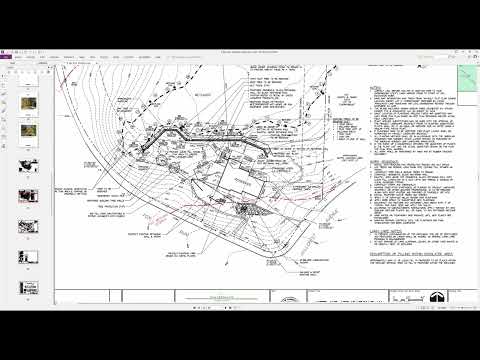
The Monroe Inland Wetland Commission voted April 29 to accept an application for a regular hearing on a proposal at 8 Fox Run to remove an in‑ground propane tank, install four above‑ground tanks, construct a segmental block retaining wall in the wetland buffer and restore plantings; the hearing was set for May 13.
The Monroe Inland Wetland Commission on April 29 voted to accept for a regular hearing an application for work at 8 Fox Run that would remove an in‑ground propane tank, install four above‑ground propane tanks behind the house, construct a segmental block retaining wall in the wetland buffer, and backfill and regrade portions of the rear yard.
Tracy Shalifo, a landscape architect representing homeowner Daniel Caruso, presented the plan and told the commission the work is outside the wetlands and inside the wetland buffer. "Nothing that we're proposing is within the wetlands," Shalifo said, describing a steep, eroding lawn the owner wants to stabilize and make safer. She said the proposal includes a drainage system behind the retaining wall, a small set of steps for safe access, removal of three living trees (and several dead trees), and a native‑planting mitigation plan of 20 shrubs and five trees below the wall.
Commissioners asked technical questions about cut‑and‑fill quantities, why the wall is proposed on the buffer side closest to the wetlands rather than cutting down the opposite slope, and drainage details. Commissioner Rick Smith said he could not gauge the impact without a cut‑and‑fill calculation and later voiced concern that the proposed wall appeared to be roughly 10 feet high.
Chair Eric Lindstrom moved to accept the application as a regular hearing; Commissioner Ryan Kelly seconded. Remote and in‑room votes were called and the motion passed. Commissioners scheduled the regular hearing for the commission's May 13 meeting.
Andrew Brahman, the commission's inland wetlands enforcement officer, noted erosion controls and silt‑fence locations shown on the plans and said engineering details, including drainage behind the wall, were provided by the applicant. Shalifo said the construction access will use the driveway and that invasive Japanese knotweed will be removed and replaced with native species; she also described leaving tall stumps as habitat snags when some trees are cut.
The hearing will allow the commission to consider requested technical details, including a cut‑and‑fill calculation and any additional mitigation or engineering revisions, before reaching a final decision.
The commission and applicant agreed on the next procedural step: the application will be on the agenda for a full hearing on May 13.