Get Full Government Meeting Transcripts, Videos, & Alerts Forever!
Get email alerts on the Police Data Sharing topic
No spam. Unsubscribe anytime.
Pasco PD seeks to share body‑worn camera data with WSU researchers; resident raises privacy fears
Summary
A proposed resolution would let Washington State University researchers access Pasco Police body‑worn camera and CAD data for research projects; Chief Cook said access is tracked and auditable, while a public commenter described a traumatic experience and urged caution about broad data transfers.
Police Chief Cook presented a proposed resolution allowing Washington State University researchers to access body‑worn camera and CAD data for academic research. Cook said the agreement carries no financial impact and builds on prior research collaborations since 2022 (procedural‑justice, language barriers on traffic stops, officer stress studies). “This is an important agreement to allow us to learn more about ourselves and the things that we’re doing,” Cook said, adding that data pulls are tracked and auditable.
A council member asked whether the city could review footage before researchers used it to ensure it would not be misused. Cook replied that access and pulls are tracked and that the department has not experienced misuse; he said staff would be able to trace any problematic use to its source.
During public comment, a speaker who identified herself as Miss Wade described a prior mental‑health crisis and said she feared police footage had been accessed by someone against whom she holds a protection order. She said the possibility of footage being circulated discouraged her from contacting police in a later vulnerable moment and urged that researchers access footage through public‑records processes rather than bulk transfers. “I don’t want that video out there,” she said, describing concern about personal safety and confidentiality.
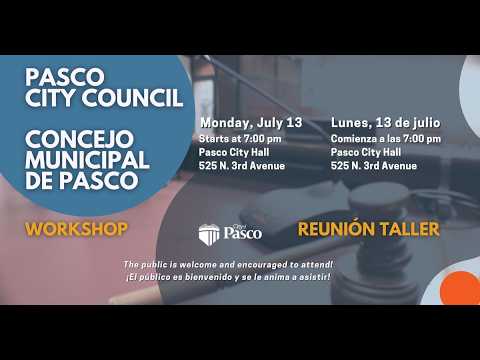
Council members praised the department’s research collaboration but acknowledged the privacy concerns raised and asked staff to ensure access controls and clear public‑records processes. The council took no formal action at the workshop; staff said the university would present study findings to council in August for at least one project (language‑barrier traffic‑stop research).