Get Full Government Meeting Transcripts, Videos, & Alerts Forever!
Get email alerts on the Land Use topic
No spam. Unsubscribe anytime.
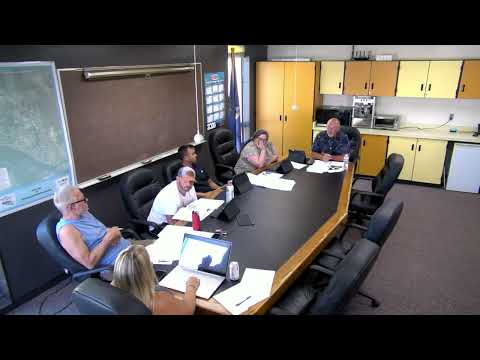
Washburn commission approves conditional-use permit for storage units after heated public hearing
Summary
The city commission approved a conditional-use permit for automated, climate-controlled storage units in Washburn’s one-mile territorial area despite objections from residents and the Lewis & Clark interpretive center; the planning board had recommended approval amid zoning-record questions and a resident petition.
The Washburn City Commission approved a conditional-use permit for a proposed storage-unit development on land in the city’s one-mile territorial area after a public hearing that drew more than a dozen speakers.
Applicants and their representatives described plans for fenced, fully automated storage units including several climate-controlled buildings and larger drive-through bays for seasonal equipment. The applicants said the development would be phased, would be designed to minimize visual impact and would create additional tax revenue for the city. “We’re really excited for the opportunity to invest in Washburn,” one applicant said during the presentation.
But several nearby residents and stakeholders urged the commission to deny the permit because of visual and historical concerns. Matt Rudger, who said he has lived in the area for decades, told the commission he found no formal zoning-change documents at the county courthouse and said tax records later showed the parcel listed as commercial; he urged caution and said the site’s visibility to highway travelers risks covering or obscuring the Lewis & Clark interpretive center. “I don’t think you’re picking the right spot,” Rudger said, pointing to the center’s investment and visibility from Highway 83.
DJ Kozlowski, a former interpretive-center employee, also opposed the location: “Washburn needs storage units. We all know that, but not from the interpretive center,” he said, arguing the location would block scenic approaches and harm the center’s visibility.
Clint Phelan, the broker representing the seller, said tax statements reflected a commercial classification and that buyers have approached the property in the past. He urged commissioners to weigh the planning board’s recommendation and the applicants’ due diligence. “We were told … their taxes went up because it’s owned commercial,” Phelan said.
Planning and zoning recommended approval of the permit. Commissioners debated competing factors — the planning board recommendation, the applicants’ renderings and phased approach, a petition submitted by opponents (county staff noted the petition’s paperwork must include printed names and legible addresses to be counted as formal resident input), and a disputed history of the parcel’s zoning and tax classification.
After discussion the commission moved to approve the conditional-use permit; the transcript shows the motion was made and seconded and a roll-call style vote was taken, though the meeting record excerpt did not capture a full itemized tally of each seat in the excerpt. The commission did not set any additional conditions on the permit on the record at the meeting; planning staff said building permits and any adjustments would be reviewed during the building-permit stage.
Next steps: the applicants must return to the permitting process for building-permit review and any required site adjustments. County or state-level issues about historic-visibility or record discrepancies were left for the record and for private follow-up.