Get Full Government Meeting Transcripts, Videos, & Alerts Forever!
Get email alerts on the Infrastructure Feasibility topic
No spam. Unsubscribe anytime.
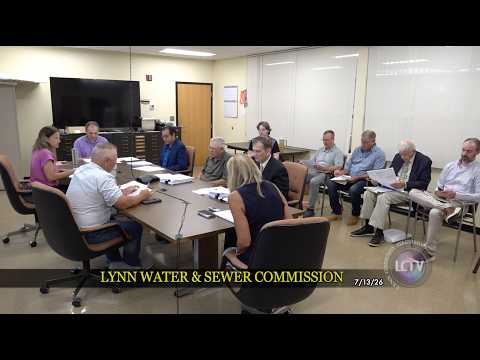
Lynn Water and Sewer reviews feasibility studies weighing multimillion-dollar plant rehab or replacement, long-term MWRA option
Summary
Commission staff presented draft feasibility studies that lay out options to rehabilitate or replace the low-service pump station and the water treatment plant, estimate capital costs and sequencing, and describe a distant MWRA interconnection alternative; a consolidated recommendation will return to the commission.
Commission staff presented draft feasibility studies analyzing whether to rehabilitate or replace key water and wastewater assets and what the timing, permitting and cost implications would be.
The studies examine three approaches for the low-service pump station and the main water treatment plant: targeted rehabilitation, full replacement and off-site alternatives. Staff said rehabilitation of the pump station is estimated at about $10 million while replacement could be roughly $30 million; treatment-plant alternatives carried much larger, multi‑tens‑of‑millions price tags. "The rehab in place might serve as a more economical and time‑saving approach," one presenter said, while replacement would require additional transmission mains and permitting work.
The packet also included a short analysis of joining the Massachusetts Water Resources Authority (MWRA) as a long‑term water-supply option. The chair summarized the study's framing: buying water from MWRA could cost on the order of $20,000,000 a year in purchased water, according to figures included in the draft. Staff cautioned that connecting to an authority would be a long, multi‑year process and that the planning numbers did not include potential months-long wholesale purchase costs in interim years.
Staff said the three technical memoranda in the packet will be combined into a final report that lays out phasing and sequencing options—what can be done in the near term (2–5 years) versus long term—and that additional contingencies for fire protection, HVAC and other items not fully included in the current estimates will likely increase final costs.
Commissioners asked about updated cost assumptions and whether numbers from 2022 had been refreshed. Staff replied that the figures were refreshed in a 2024 update and that the current draft reflects those updates; remaining cost items tied to duration and potential authority purchases were not embedded because their timing and duration are unknown.
The commission did not take action; staff said they will work with engineers, refine recommendations and return with a consolidated final report and suggested sequencing for any capital program.