Get Full Government Meeting Transcripts, Videos, & Alerts Forever!
Get email alerts on the Emergency Shelters topic
No spam. Unsubscribe anytime.
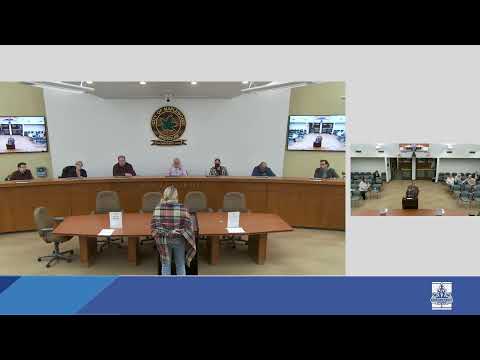
Maplewood council debates allowing emergency overnight shelters, wrestles with enforcement at local church
Summary
City staff proposed adding emergency overnight shelters as a conditional use in the Public Activity zoning district. Council members weighed life‑safety and enforcement concerns after an unauthorized shelter operated at Maplewood United Methodist Church, and directed staff to refine the ordinance and conditional‑use requirements.
City manager (speaker) presented a proposed text amendment to the zoning code that would allow emergency overnight shelters as a conditional use in the city’s Public Activity (PA) district and outlined an operations‑plan requirement for applicants.
The city attorney explained the legal balance the council must strike, saying the analysis differs when a religious institution or government entity is involved and noting "there are some statutes out there that limit the ability of cities to enforce zoning as to religious institutions and other governmental entities" (City attorney). The attorney said building‑code and health‑and‑safety authority remain enforceable even when religious protections apply.
Council members and staff spent most of the meeting debating two related questions: whether to amend the zoning code to allow such conditional uses citywide in PA districts, and whether to take enforcement action now against an unauthorized shelter that had recently been operated at Maplewood United Methodist Church.
Public safety and social‑services staff described operational and safety gaps they observed at the unauthorized activity. A city official involved in daily shelter coordination said staff had identified instances during the recent activation when a resident needed medical assistance and there was no qualified person on site; the official said volunteers and staffing requirements used by city‑partner shelters informed staff recommendations for training and security in an operations plan.
Several council members framed the debate around life‑safety. One council member said, "life safety issues need to come first," and another urged the city to avoid a situation where an adverse incident would draw criticism if the city had not enforced its codes.
Other council members emphasized compassion and the need to keep working with the church and regional partners. One council member urged city staff to continue discussions with the church and the Salvation Army to expand sheltering options and transportation to larger shelters.
On process, staff recommended the text change be treated as a zoning code text amendment (a citywide change to add the conditional‑use category to PA districts), followed by applicants submitting conditional‑use permit applications for specific facilities that would receive mailed notice to properties within a typical 300‑foot radius (the council discussed 300–500‑foot notification options). The city attorney noted a text change normally requires published notice rather than individual mailings, while specific conditional‑use applications do require mailing to nearby properties.
Council members asked staff to tighten the proposed operations‑plan requirements to include triggers for activation (for example, a code‑blue threshold), notification to the city when a shelter is activated, staffing and training requirements, and compliance timelines for building‑code upgrades. Staff said the burden of meeting inspections and demonstrating readiness would be on the applicant.
The meeting did not produce a final ordinance vote. Council agreed to advance the policy discussion: staff will prepare code‑text materials for Plan and Zoning Commission consideration and craft clearer operations‑plan requirements, while the council continues outreach with the church and regional shelter partners.
The council also discussed enforcement options for the unauthorized activity, with several members supporting enforcement only after staff and legal review. The city manager stated the city has an obligation to enforce building and zoning codes but emphasized a desire to preserve the relationship with the church while ensuring life‑safety compliance.
Next steps: staff will draft the zoning text amendment and operations‑plan checklist for Plan and Zoning Commission review and return to council for ordinance readings; staff will continue engagement with the church and regional shelter partners in the interim.