Get Full Government Meeting Transcripts, Videos, & Alerts Forever!
Get email alerts on the Building Permits topic
No spam. Unsubscribe anytime.
Valley Stream board debates fee relief for large apartment project, refers request to next meeting
Summary
Village counsel asked the board to reduce a six-month permit renewal fee for a large 63-unit project from the usual 50% payment to roughly one-third; trustees said past practice favored a 50% renewal and directed staff to place the request on the next meeting agenda and to review code thresholds for large projects.
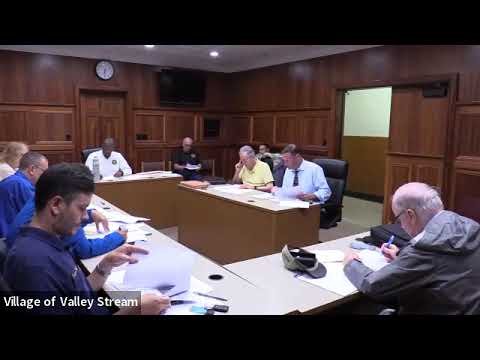
At a July work session, the Valley Stream Village Board debated a developer request to reduce a six-month permit renewal fee for a large multiunit project. Dominic Nerva, counsel for the applicant, said construction was about 85% complete and asked the board to allow the developer to pay $32,031.33 — roughly one-third of the six-month renewal fee for permit B24-377 — instead of the customary 50% payment.
Nerva said the developer had paid substantial fees and community benefits and asked the board to grant relief so the project could reach completion. "He27s making substantial payments to the village," Nerva said in support of the request.
Board members pressed on precedent and fairness. A trustee noted that, "in the past we have taken 50%" on similar renewals and expressed concern about the appearance of making a special arrangement for a project of this scale. One board member said accepting a lower payment could cost the village tens of thousands of dollars: "I just feel like there27s no motivation to get things done quick... we27d be losing money each time," the member said, noting a potential loss in the neighborhood of $66,000 if lower relief were routinely granted.
Members also flagged the size of the project as a reason to reconsider the rules. Staff and trustees agreed that the permitting system is not well calibrated for very large developments and recommended a code review to set clearer thresholds for projects that cannot reasonably complete within the standard 12- to 18-month permit timeline.
The board did not vote on the counsel27s requested one-third reduction. Instead, trustees directed staff to place the request on the next meeting agenda (the chair said the item would be "put on the agenda for the 48" meaning a 50% option would be considered) and to draft a code amendment or guidance addressing renewal fee calculations for large projects.
The dispute framed two competing goals: (1) consistent application of established practice (historically a 50% renewal fee when the superintendent has exhausted administrative extension authority) and (2) flexibility to avoid imposing burdens that could stall sizable local development. The board signaled it will consider a one-time adjustment only in the context of a broader policy review. The matter will return for a formal vote after staff prepares recommended options.